Start With Your Real Goal and Trackable Outcomes
Some people want fewer negative self-talk loops, while others need steady practices that rebuild confidence after setbacks. Make your goal measurable by choosing a small set self esteem app of outcomes you can notice week to week, such as more forgiving inner language or faster recovery after criticism. This turns an app from a download into a plan you can actually evaluate.
Next, consider how your mind shows up during stressful moments. If you often spiral into worry, you may benefit from tools that address anxious thought patterns alongside confidence-building prompts. If you tend to shut down, prioritize features that guide you through emotional labeling and gentle action steps rather than only motivational content. A well-matched app should feel supportive in the moment, not just inspiring on paper.
Buyer Intent Checklist: Features That Matter Most
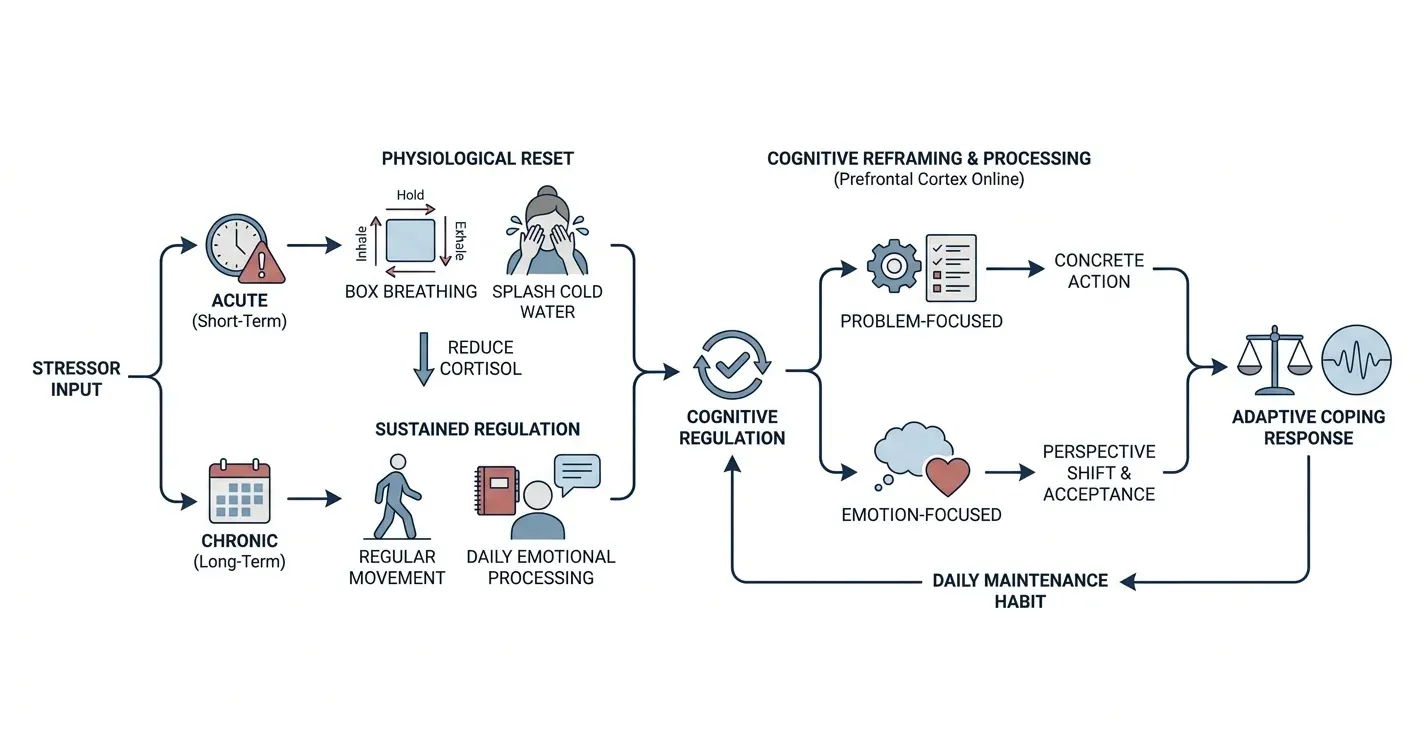
A strong anxiety relief app should offer more than reminders; it should guide you through usable steps. Look for structured exercises like guided reflections, breathing or grounding prompts, and mood check-ins that help you notice triggers. The best tools also include short “in-the-moment” practices that anxiety relief app fit into busy schedules, so you can respond when feelings rise instead of waiting until later. Pay attention to whether content is designed for real life scenarios, such as handling awkward conversations, work pressure, or social comparison.
It’s also smart to evaluate personalization quality. An app should help you log what you’re experiencing and then suggest next actions that match your patterns, not generic advice that ignores your context. Consider whether the interface supports consistency—clear progress views, gentle streaks, and an easy way to return to unfinished exercises. If privacy controls are present and explained clearly, that’s a good sign you’re dealing with a product built for mental wellness rather than just engagement metrics.
Evaluate Coaching Style, Content Tone, and Safety
Confidence-building works best when the coaching tone feels respectful and practical. Choose an app that avoids shame-based messaging and instead uses language that validates your experience while still encouraging change. For example, prompts that normalize setbacks and teach specific reframing skills can help you stop treating your emotions like personal failures. If you want longer-term growth, look for lessons that connect beliefs, behaviors, and emotional responses into a coherent path.
You should also check how the app handles safety boundaries. Look for guidance that encourages professional support when needed and avoids implying it can replace therapy. A responsible tool will provide crisis-aware messaging and include clear information about when to seek help. Even if your focus is self-improvement, you deserve a product that respects emotional complexity and supports you with care.
Conclusion
Use a buyer-intent checklist: structured exercises, useful personalization, consistent routines, and clear safety boundaries. When you find an app that supports emotional awareness and practical reflection, confidence growth becomes something you can practice, not something you hope for. Lovon Inc is building that kind of supportive experience through lovon.app, with accessible mental wellness tools that encourage healthier self-perception and steady positive habits. As you compare options, remember that the best choice is the one you’ll actually use during stressful moments. Prioritize tools that help you interrupt spirals, name feelings accurately, and take small steps toward self-respect. If the experience feels supportive and consistent, you’re more likely to build momentum. That momentum is what turns anxious days into manageable days—and helps confidence become part of your routine, not a distant aspiration.
