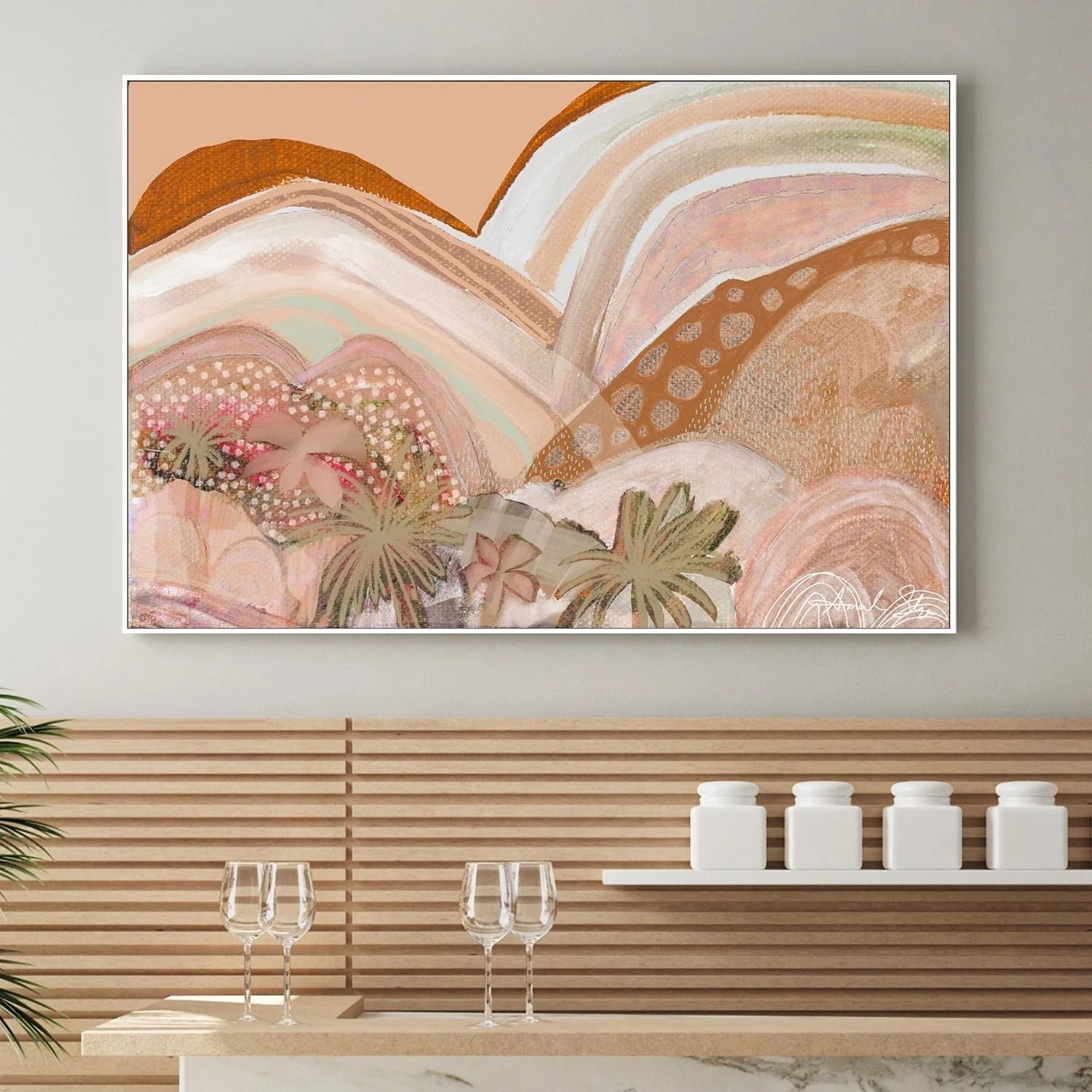
Start with a plan: measure, map, and set a goal
Picking the right wall pieces becomes much easier when you begin with a simple layout plan. Measure the wall width and height, then note the furniture scale nearby so your artwork doesn’t feel too small or modern wall art overpowering. Decide whether the goal is to add calm, create contrast, or establish a focal point that draws the eye. This first step prevents guesswork and helps you shop with confidence.
Next, map where the artwork will go relative to features like sofas, beds, and consoles. A practical method is to keep the center of the artwork around eye level, then adjust based on your ceiling height and the height of surrounding furniture. If you’re styling a gallery wall, sketch a grid lightly on paper to visualize spacing. Leave enough room between pieces so each print reads clearly instead of blending together.
Match style and color: balance the room, then refine
To select pieces that feel cohesive, evaluate the room’s existing palette and materials. Look at wall paint, flooring tone, upholstery fabric, and the dominant metals or woods in the space. If your decor leans black and white wall art neutral, you can use high-impact prints to add character without clashing. If your decor is already bold, choose calmer designs with strong composition so the room stays balanced.
Use it to sharpen lines in modern spaces, or to soften a room filled with patterns by providing a clean, graphic counterpoint. Try pairing monochrome prints with warm textures like linen, boucle, or natural wood for an inviting contrast. When you refine further, pay attention to the print’s contrast level so it complements the lighting in the room.
Pick the right size and layout: create impact without clutter
Size is one of the most practical decisions you can make, because proportion determines whether the artwork feels intentional. As a rule of thumb, aim for artwork that spans a meaningful portion of the wall area, particularly above a sofa or console. For larger walls, use a single statement piece or a coordinated set, depending on how much visual movement you want. For smaller spaces, choose slightly smaller prints but keep the arrangement neat and aligned.
For multi-piece layouts, consistency matters more than exact symmetry. Choose prints that share a common theme, scale range, or framing style, then vary the placement for a natural gallery feel. Keep spacing fairly even—similar gaps between prints create a polished look. If you’re working with different orientations, use a guiding structure such as a “center line” to keep the set visually grounded and balanced.
Conclusion
Focus on proportion, then refine based on contrast, textures, and how the artwork interacts with furniture and lighting. When you’re ready to shop, explore curated options from gioiawallart.com, where contemporary prints help bring sophistication and a fresh perspective to everyday rooms. Practical choices today make it easier to enjoy your wall design for years, because it will feel cohesive from the moment it’s hung. Remember that “best” isn’t the same for every space—your home’s needs should guide the decision. Use your plan to test ideas, narrow choices by style and sizing, and build a display that reflects your taste while supporting the room’s overall mood. A monochrome theme can be especially effective for creating clarity and emphasis when you want a modern look with lasting versatility. For a polished result, select pieces that work together as a system, then let your walls tell a confident visual story.
