What to Look for in a Body Repair Specialist
When you’re selecting a body repair shop, start by looking at how they handle the fundamentals of metal restoration and alignment. A reliable repair team focuses on structural integrity first, ensuring the frame and mounting points are corrected before aesthetics are addressed. This approach panel beaters matters because a straight-looking vehicle can still be misaligned, affecting door gaps, steering feel, and long-term durability. Ask whether they follow a process that includes assessment, measurement, repair, and verification rather than rushing straight to cosmetic work.
For accident or dent repairs, expertise shows up in the details of workmanship and diagnostics. Choose a shop that can explain what caused the damage and what will be done to restore both the panels and the underlying supports. In particular, hail damage repair benefits greatly from skilled technicians who know when reshaping is safe and when panel replacement is the better option. A good shop will also advise on what to expect in terms of paint blending, drying times, and finish quality to match your vehicle’s original appearance.
Questions to Ask Before You Book a Repair
Before you commit, prepare a short list of questions that reveal whether the workshop is truly prepared for your vehicle type. Ask what equipment they use for measuring and aligning damaged sections, and whether they perform checks after the repair is hail damage repair completed. You should also inquire about materials and coatings, including how they prevent corrosion after metalwork. If the answers are clear and detailed, it’s usually a sign that their process is consistent and quality-focused.
It’s also wise to ask how they handle paintwork, since the finish is what most people notice. Discuss whether they use proper surface preparation, matching methods for colour and gloss, and curing procedures for stronger adhesion. A dependable specialist will guide you with realistic expectations and explain how they protect surrounding areas during the repair process.
How to Verify Quality and Protect Your Vehicle
Quality verification is not just a promise; it should be observable during the repair. Look for signs that they document the damage and keep track of the work performed, especially for structural corrections. A workshop that takes photos, records measurements, and explains the stages of panel work is typically more accountable. You can also request to see examples of similar repairs, because consistent results are easier to trust when you can compare outcomes.
Protection is equally important, particularly after metalwork that may expose the vehicle to moisture and debris. Ask how they treat bare metal, apply primers, and apply anti-corrosion measures before paint is applied. Make sure the shop uses masking and protection techniques that prevent overspray, scratches, and edge damage around trims, badges, and glass.
Conclusion
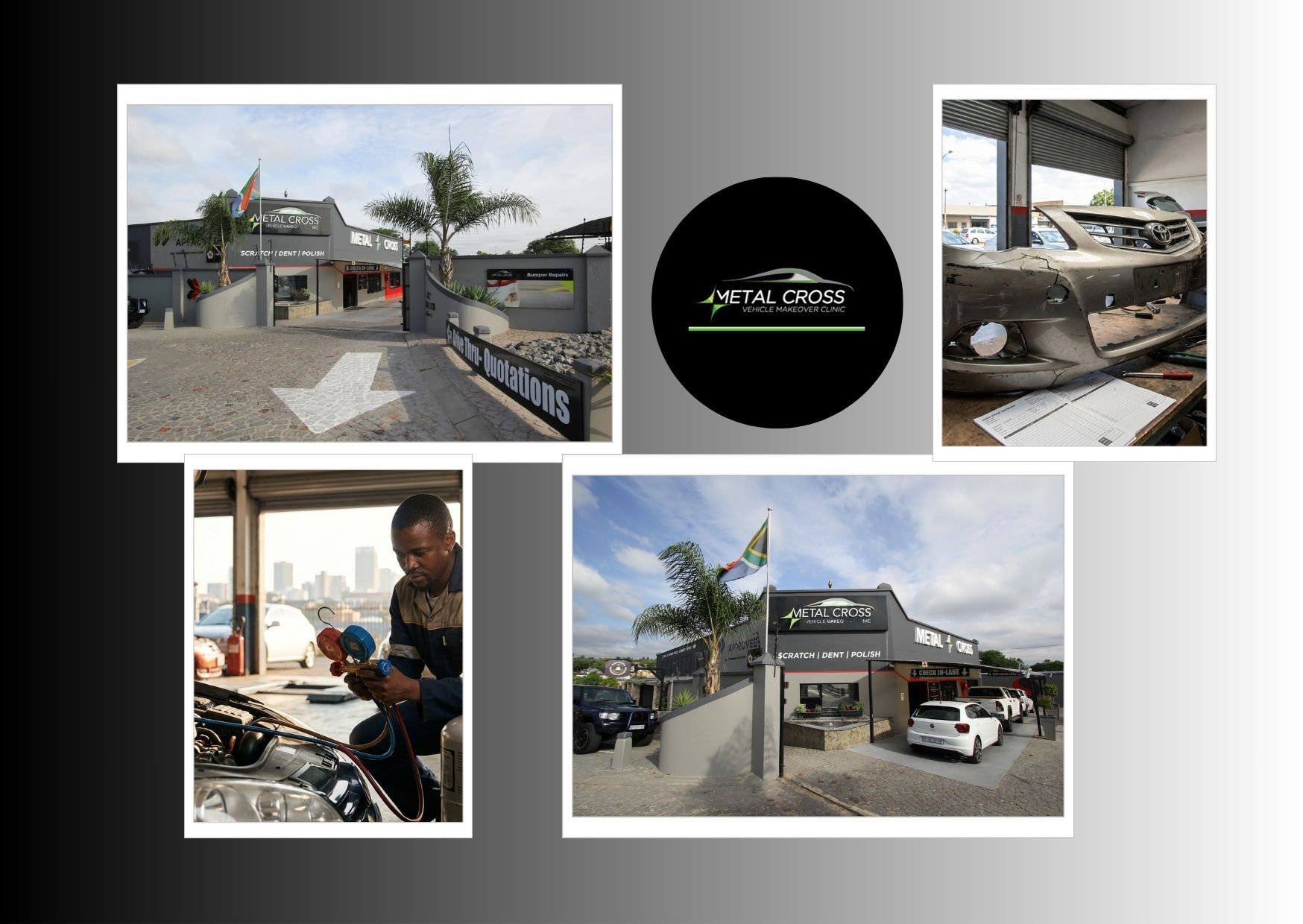
Look for a team that explains structural repair clearly, supports decisions with measurement and inspection, and treats paintwork as a precision step rather than an afterthought. When repairs are done with discipline, your vehicle regains proper alignment, improved appearance, and better resistance to future corrosion. If you want skilled workmanship for body restoration and accident repairs, metalcross.co.za is a helpful option to consider, especially when you’re aiming for careful metalwork and a professional finish. Use these expert recommendations as a checklist, and you’ll be in a stronger position to choose a repair partner that matches your expectations.
