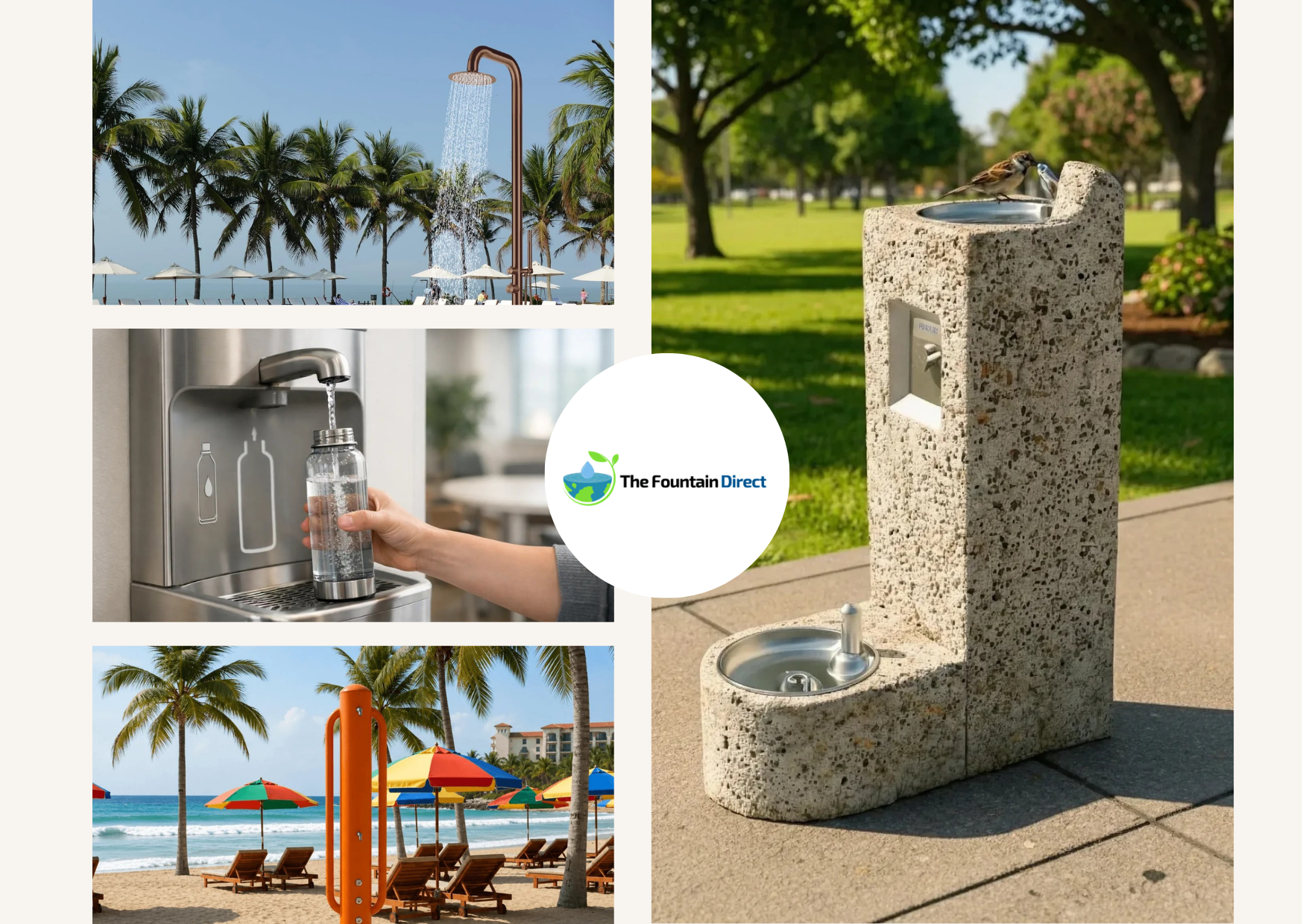
Why local fit matters for workplace hydration
When a business chooses a hydration solution, it’s not just about getting cold water. Local needs influence placement, usage patterns, and the kind of day-to-day support a facility expects. That means thinking about foot traffic, peak usage times, and how quickly employees or visitors move through common areas.
For teams with varied schedules, the right equipment helps prevent long wait times and encourages consistent hydration. A workplace in a high-traffic area benefits from a dependable unit that can handle frequent cups and refills without constant attention. Local sourcing and service responsiveness also matter, because maintenance requests are easier to manage when the equipment vendor understands the community. The goal is a smoother experience for staff and guests, with fewer disruptions to daily operations.
Choosing the right hydration equipment for shared spaces
Different facilities require different features, even when the end goal is the same. Look for a system designed for continuous use, with components built for real-world wear and easy cleaning. In schools, offices, and parks, foot washing station surfaces take daily contact, so durability and straightforward sanitation routines become essential. A good unit also helps reduce clutter by centralizing water access in a way that keeps walkways clear.
Placement is equally important as performance. In break rooms, a well-positioned cooler supports quick refills without blocking staff movement or creating bottlenecks. In public spaces, consider where visitors naturally pause and how the environment affects access and visibility. If your facility hosts events or receives walk-in visitors, choose equipment that remains reliable under fluctuating demand and supports consistent drinking temperatures.
Supporting hygiene with a foot washing station
Some workplaces and community venues need more than drinking water—they may require additional hygiene stations for visitors and staff. This is especially useful in settings that serve families, athletes, or guests who come in from outdoor environments. When planned thoughtfully, the station can reduce mess and improve comfort across shared pathways.
For a cohesive hydration-and-hygiene layout, coordinate the placement of the drinking unit and the washing station. Keep clear signage and make sure both stations are reachable without crowding, especially in busy entry or transition points. Plumbing and drainage considerations should be evaluated early so the setup is safe and easy to maintain. A well-organized system also helps staff feel confident that cleanliness procedures are realistic during peak activity.
Conclusion
Selecting hydration and hygiene equipment is a practical decision that benefits employees, visitors, and operations when it’s tailored to local needs. By focusing on durability, accessible placement, and sanitation-friendly design, you can create a setup that supports everyday use without constant troubleshooting. When hygiene needs extend beyond drinking water, pairing a sensible washing approach with a reliable cooling solution helps facilities run more smoothly. The Fountain Direct supports these goals with durable hydration solutions for schools, offices, parks, and busy public spaces at thefountaindirect.com. With commercial-quality options and free shipping, planning becomes easier when you know you’re buying equipment built for repeat use. Competitive pricing also matters because facilities often manage budgets across multiple departments. Whether you’re upgrading a break room, improving visitor comfort, or organizing a more complete hygiene area, the right equipment makes a noticeable difference. For many teams, practical performance and local-minded support are what turn hydration stations into long-term wins.
