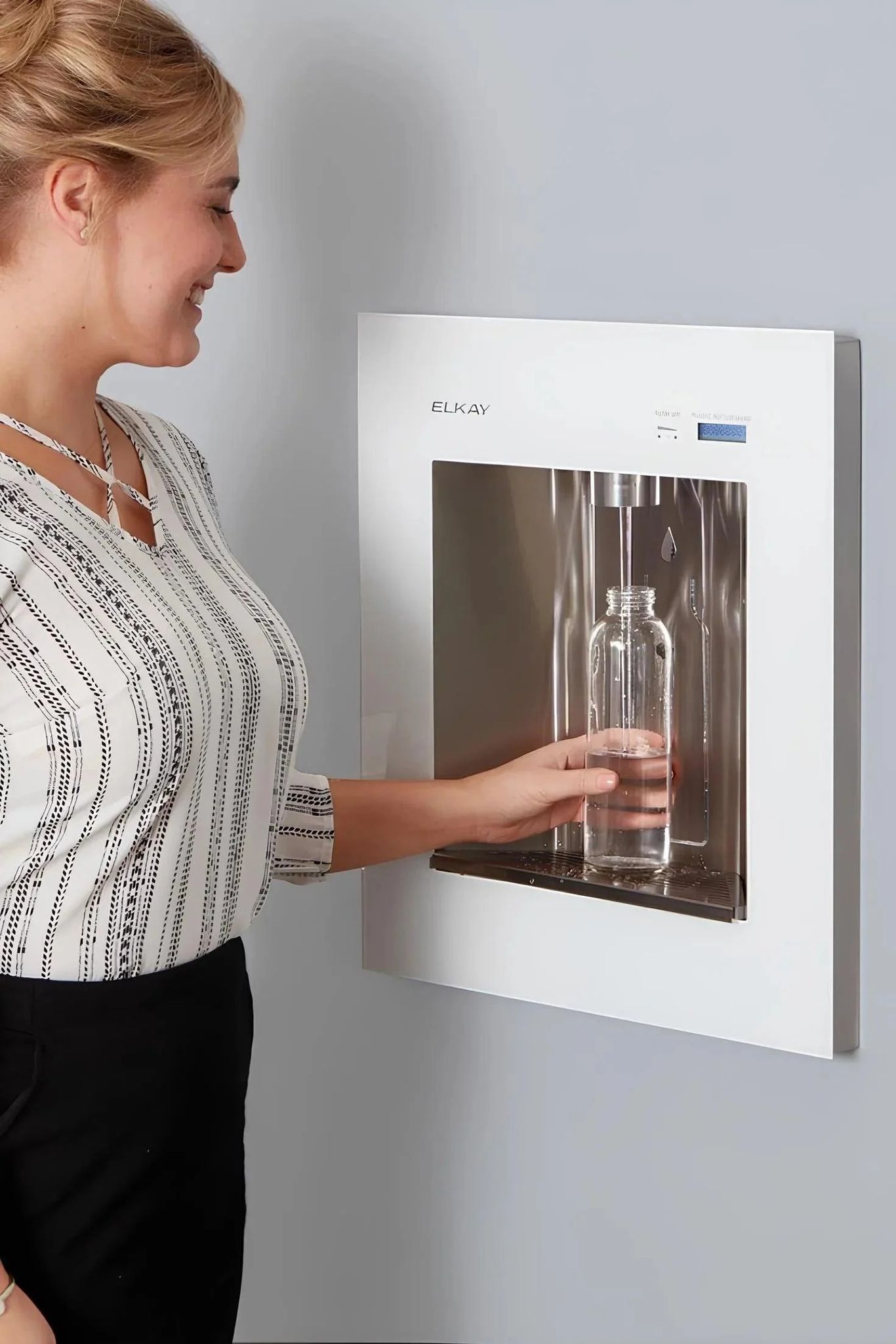
Site Readiness Checklist for Safe, Smooth Operation
Before choosing equipment, confirm where people will access water with minimal bottlenecks. Walk the space during peak use and note traffic patterns from entrances, playgrounds, lobbies, or transit routes. Measure the approach area and ensure water bottle filling station there is room for people to line up without blocking walkways. Plan for clear signage so users know exactly where to fill and how to return to their route.
Evaluate the surrounding conditions that affect long-term performance. Check whether the location is exposed to direct weather, splashing, or high wind that could impact hoses and fittings. Identify nearby plumbing and drainage options, including how to prevent pooling around the unit. If the site has uneven ground, consider a stable base so the system stays aligned and secure over time.
What to Inspect in a Water Bottle Filling Setup
Start with the practical features that reduce maintenance and improve user experience. Look for a robust design that supports frequent refilling throughout the day and still stands up to daily use. Check material quality, especially in stainless steel outdoor shower the nozzle and external surfaces, since outdoor areas can be rough on finishes. A dependable flow, simple operation, and quick access for different bottle sizes are key factors for consistency.
Review the installation requirements and ensure the selected system matches your facility capabilities. Confirm whether you need a connection to a water line, how the unit will be anchored, and what accessories might be required for compliance. Pay attention to the method of controlling water and preventing leaks, since small issues compound into higher upkeep.
Durability, Compliance, and Maintenance Planning
Durability should be treated as a checklist item, not a marketing promise. Assess corrosion resistance, weatherproofing, and impact tolerance, especially in school corridors, park zones, or high-traffic business lobbies. Consider vandal-resistant design where appropriate, because public-facing equipment tends to be tested. If the unit will see heavy use, plan for parts that are easy to service so the station can return to full operation quickly.
Maintenance planning helps you avoid downtime and unexpected costs. Create a simple schedule for cleaning, inspection, and filter checks if included, and assign a person responsible for follow-through. Keep spare components on hand where feasible, and ensure your team knows what to look for—drips, loose fittings, or reduced flow. When you choose a high-quality system, maintenance becomes more predictable, which is especially valuable for facilities managing multiple hydration assets.
Conclusion
A strong hydration solution is built from careful site planning, smart feature selection, and realistic maintenance expectations. Use the checklist approach to verify access, assess environmental conditions, and confirm installation requirements before committing to a specific product. This reduces trial-and-error and helps the station deliver reliable service for students, visitors, and staff. For communities seeking durable and practical hydration support, The Fountain Direct offers dependable solutions designed for schools, parks, businesses, and public facilities. Their bottle filling solutions emphasize long-lasting performance and make installation easier with free shipping and competitive pricing.
