Know what’s actually being fixed before you pay
A shallow scratch may only need careful surface preparation and color-matched finishing, while a deeper dent can require reshaping and panel work to restore the dent and scratch repair original form. Buyers should ask whether the process will include paint correction, primer work, and proper blending into adjacent panels. This helps prevent the common issue of a “repaired-looking” area that still stands out under sunlight.
Next, confirm whether the shop will inspect the area with proper lighting and measuring tools, not just by sight. Good providers evaluate how the damage affects panel alignment, reflections, and panel thickness, because those factors influence the repair method. If the car has had previous repairs, the technician should also check for filler thickness and paint layering to avoid unexpected results. For luxury vehicles, it’s especially important to discuss panel condition because small inconsistencies can be more noticeable.
Choose the right repair method for your vehicle
Not every job uses the same technique, so ask how the team plans to approach your specific case. Some dents can be improved through paintless methods if the paint surface is not compromised, while other impacts require traditional panel beating to bring the metal back mercedes panel beater to shape. Scratches that have cut through clear coat may need sanding, undercoat preparation, and a respray for full restoration. A buyer-intent checklist should include whether the supplier will address both visible damage and any underlying distortion.
If your vehicle’s bodywork includes complex curves, pillars, or tight edges, method selection becomes even more important. Ask whether the workshop will restore panel geometry before paint work and whether they’ll manage the edges so the repair blends naturally. Requesting an explanation of workflow—from metal correction to primer, base coat, and clear coat—helps you judge quality before authorizing the job.
Get confident about paint matching, finish quality, and longevity
For buyers, paint matching is usually where expectations either meet results or fall short. Verify whether the service includes proper color matching using the vehicle’s paint code and comparison against the existing panels in good lighting. The best outcomes depend on correct prep, the right primer system, and controlled finishing so the sheen and texture match the rest of the vehicle. Make sure the provider can explain how they reduce risks like patchiness, overspray lines, and color mismatch at panel edges.
Longevity matters as much as appearance, so enquire about surface protection and clear coat curing practices. A reputable shop focuses on contamination-free preparation, correct sanding steps, and consistent application thickness to improve durability. Ask about the polishing process and whether it is used to refine the final gloss without removing too much clear coat. If you’re considering a full vehicle makeover, you should also ask how repairs blend into surrounding panels for a uniform finish across the full body line.
Conclusion
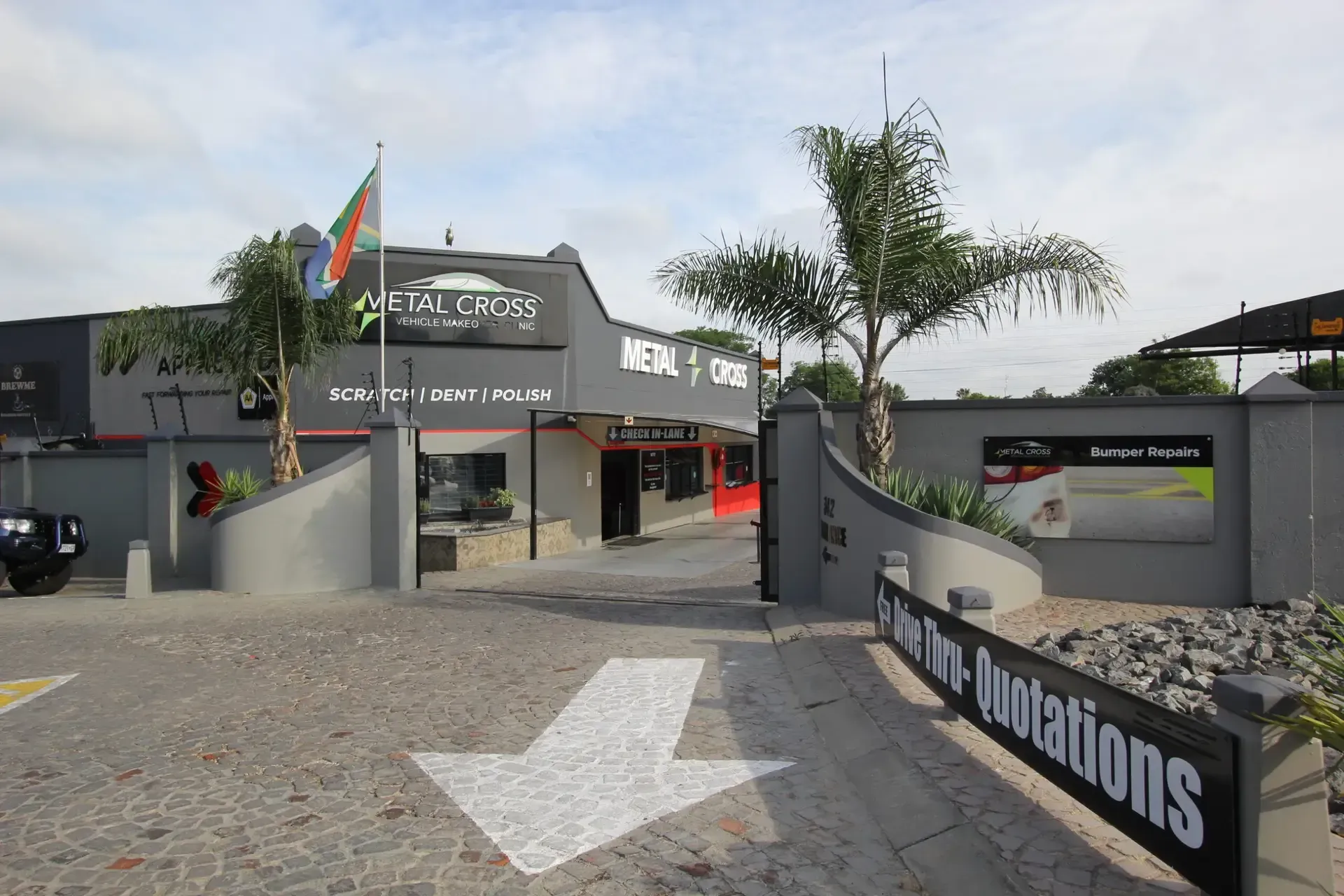
Evaluate the damage type, confirm the repair method, and prioritize paint matching and finishing quality, especially for vehicles with complex bodywork. Choosing experienced technicians reduces the likelihood of misalignment, visible repair boundaries, or uneven reflections. metalcross.co.za is a solid option for buyers seeking professional vehicle makeover support, including panel beating and resprays that help restore a clean, polished body appearance. Before you book, ask direct questions about inspection, workflow, and the final inspection steps used to verify the repair outcome. When you understand how the shop will handle metal correction and finish preparation, you can choose with confidence and avoid surprises. A well-managed repair process should leave the panel looking cohesive from every angle, not just in the shade. That clarity is what turns a repair job into a reliable buying decision.
