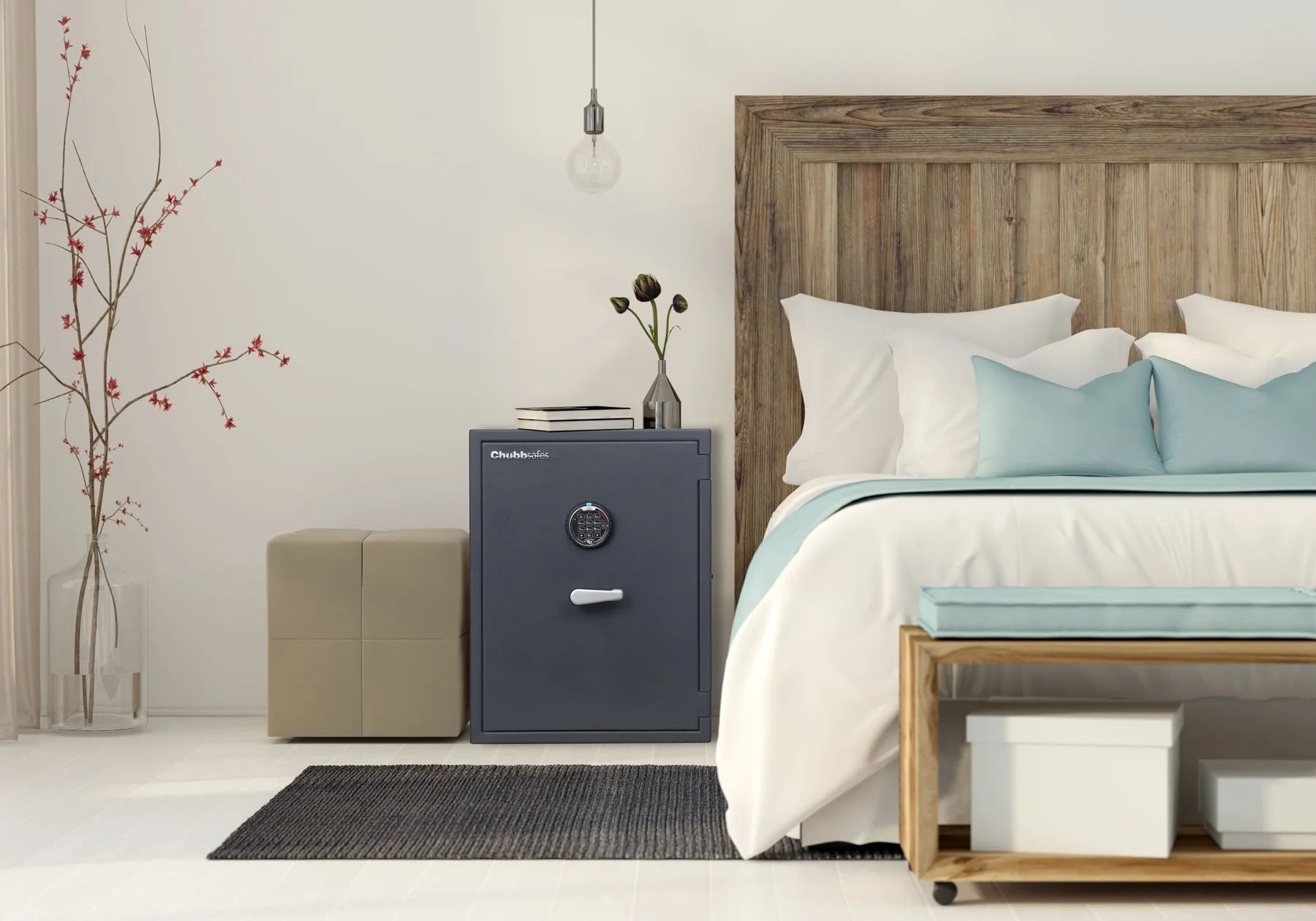
Start With Your Real Use Case
Before comparing models, define what you need to protect and who will access it. Valuables like cash, passports, and important paperwork have different risk profiles than tools, electronics, or collections. If you’re shopping specifically for long guns, security safes plan for space, door clearance, and how you’ll organize the interior. A clear use case prevents you from buying a safe that looks right on paper but feels inconvenient day to day.
Consider the environment where the safe will live, since location affects both security and usability. Homes with limited floor space may require a compact footprint, while businesses often need a safe that can handle frequent access. Think about how the safe will be opened during everyday routines, including whether you want keypad entry or a key backup. Also evaluate how you’ll anchor the unit to reduce the risk of removal or tipping during a forced attempt.
Match Capacity, Door Type, and Interior Layout
The next step is choosing the right capacity for your items, not just the safe’s exterior size. Documents typically require adjustable shelving or a layout that accommodates folders without bending. For firearms storage, interior configuration rifle safe matters because proper placement improves organization and safety. Look for features like foam or rails, secure storage compartments, and enough height to store properly without strain on hinges or latches.
Door design can also influence usability and security outcomes. A thicker door with well-engineered locking points generally provides better resistance than a basic shell. Pay attention to whether the hinges and locking mechanism are protected from prying and whether the door closes with a solid, reliable seal.
Finally, don’t ignore how you’ll operate the safe in real life. If multiple people require access, a model with clear programming and straightforward handling can reduce friction. If you’re storing media or sensitive documents, consider whether the safe offers features that help reduce moisture exposure. These practical details can be the difference between a safe you use consistently and one that sits unused because it’s cumbersome.
Verify Locking Technology and Fire-Resistance Claims
Security performance depends on more than brand names, so focus on locking technology and verified design elements. Prefer safes that use proven lock systems with strong components and resistance to manipulation. When possible, look for design cues like multi-point locking, reinforced locking bars, and secure boltwork. A buyer-intent approach means checking how the lock behaves under stress and whether it includes a sensible key override.
For many buyers, fire resistance is a key deciding factor for documents and valuables. Evaluate fire ratings based on the safe’s intended contents and the level of protection you want. Some safes are designed to protect paper records effectively, while others focus on broader protection for valuables. Be cautious with vague claims and instead choose products where the fireproofing is clearly defined for the type of items you plan to store.
Also consider whether you need tamper protection beyond basic burglary resistance. A safe that’s both hard to open and difficult to move offers layered defense. Anchoring options, mounting hardware, and guidance for installation can directly affect your results. When the safe is properly set up, it reinforces the locking system and improves resistance against forced attacks.
Conclusion
Start by clarifying what you’re storing, then confirm the safe fits your space and access routine without sacrificing security. When you treat buying as an informed checklist rather than a quick comparison, you reduce the chance of regret and improve long-term protection. Browse the available categories and choose a model that fits your storage requirements, lock preferences, and installation expectations at securitysafes.com.au.
