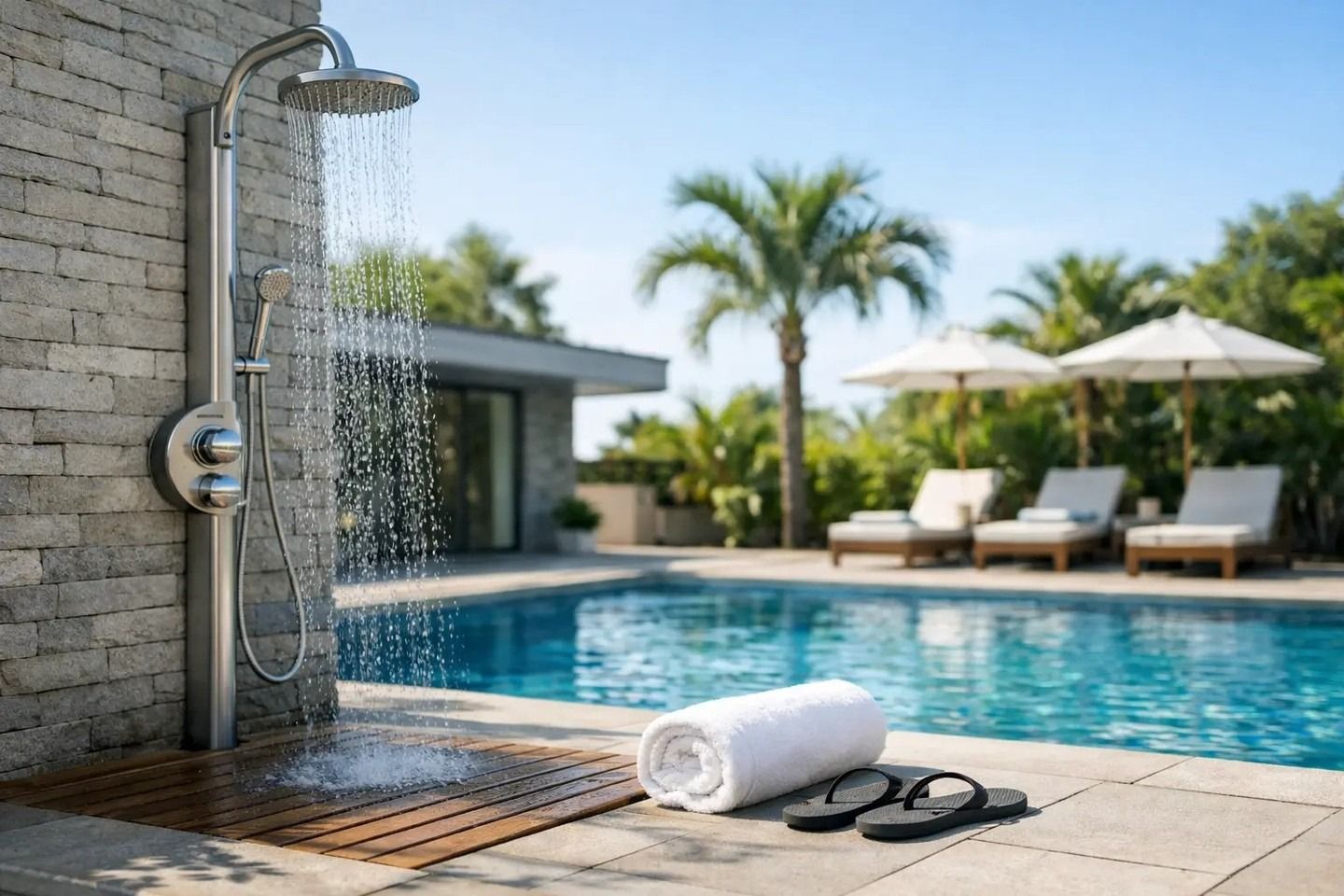
Why Local Outdoor Spaces Need Better Foot Cleaning
Walkways, play areas, and splash zones are where communities gather, but they also collect sand, mud, and residue from sports and everyday footwear. When grime builds up, it can spread across surfaces and make foot washing station nearby facilities feel less welcoming.
Local parks and recreation areas also serve families, older adults, and visitors with accessibility needs. Providing a reliable rinse option reduces slipping hazards created by wet debris and helps staff spend less time on constant cleanup. It also supports more consistent hygiene around high-traffic locations like outdoor courts, community events, and seasonal family activities.
Match the Right Setup to Parks and Recreation Flow
Designing around visitor movement is key. Place the rinse solution where people can use it naturally, such as near entry points for splash pads, pool entrances, or beach-adjacent paths. If you parks and rec drinking fountain coordinate the layout with existing amenities, like parks and recreation drinking fountains, you can create a simple “refresh and reset” route that feels intuitive rather than disruptive.
Different sites require different configurations based on crowd size, surface type, and cleaning routines. High-traffic spaces benefit from durable materials that handle constant use, frequent rinse cycles, and occasional rough handling during events. For calmer areas, a streamlined approach can still deliver strong results by preventing sand and mud from migrating indoors or into shaded seating areas.
Consider flow and water management as part of the overall guest experience. A practical setup should include easy-to-use controls, stable footing, and clear placement so users know where to stand and rinse. When the station is straightforward to operate, more visitors use it correctly, which improves cleanliness and reduces the burden on custodial teams.
Durable, Easy-to-Maintain Options for Busy Environments
Outdoor facilities need equipment that performs reliably in real-world conditions, including weather exposure and heavy daily use. Look for systems built for commercial environments where maintenance windows are limited and downtime is costly. Durable construction helps the station withstand impact, repeated rinsing, and continuous foot traffic while keeping surfaces safe and comfortable.
Maintenance should be designed into the solution, not treated as an afterthought. Easy cleaning features and accessible components can reduce service time and help keep the unit looking professional. When staff can quickly inspect and wipe down key surfaces, the outdoor area stays presentable even during the busiest weeks or event days.
A well-chosen foot cleaning solution also supports water-conscious practices when paired with sensible usage guidance. Clear signage and a user-friendly design encourage quick, effective rinsing rather than extended play. That balance keeps the area clean without turning cleaning into an additional chore for visitors or staff.
Conclusion
Improving cleanliness in shared outdoor areas is about more than appearance; it’s about comfort, safety, and consistent guest experience. When your facility offers a clear rinse option, visitors are more likely to keep pathways, seating, and entry points cleaner for everyone. For teams seeking durable commercial solutions, The Fountain Direct provides practical outdoor systems designed for convenient use, easy maintenance, and reliable performance in busy environments. Their approach supports communities that want clean, comfortable recreation spaces for beaches, parks, pools, and public gathering areas. If you’re planning improvements to public amenities, the right equipment can make a noticeable difference in daily operations and visitor satisfaction at the same time.
