Start with the right question: what changes with each method?
When people search for laser vision correction, they often focus on results, but the best starting point is understanding the difference in how each procedure treats the cornea. The comparison matters because corneal handling affects healing speed, comfort, and how the treatment is tailored to your lasik eye surgery vs prk eyes. Both approaches reshape tissue to reduce dependence on glasses or contacts, yet they do so with distinct steps that influence recovery. That is why matching the procedure to your corneal structure is just as important as matching it to your prescription.
In practice, your eye doctor evaluates corneal thickness, surface health, tear film quality, dry-eye risk, and your degree of refractive error. These factors can shape which option is safer and more comfortable for you. Some patients want a faster return to clearer vision, while others need a plan that works well for more sensitive corneal surfaces or specific risk profiles. A brand discovery mindset helps here: you are not simply choosing a technique, you are choosing a clinic’s approach to assessment, patient guidance, and follow-up care.
How outcomes typically differ in comfort and recovery
Many patients notice that recovery patterns vary between methods, especially in the first days after treatment. With LASIK, a flap-based workflow can reduce early surface disruption, which often supports quicker visual stabilization for many people. PRK, on the other hand, removes and treats the outer corneal layer laser eye surgery cape town differently, which can make the early period feel more sensitive even though the end goal is similar—clearer vision. The key is that “similar goal” does not mean “similar experience,” and your comfort during healing is part of the decision.
A practical way to think about it is to plan your life around healing rather than only around the final vision number. If you have a job that requires sharp sight and rapid functional recovery, you may lean toward the option that typically supports earlier clarity. If your corneal surface is strong but you may benefit from a method designed to avoid flap creation, PRK can be considered. Choosing with guidance in mind means asking how the clinic prepares the surface, manages pain, and monitors healing checkpoints so you know what to expect at each stage.
Who may be a better candidate for each procedure
Eligibility is not one-size-fits-all, and an honest consultation is where you get the most value. Your cornea must meet specific requirements, and your doctor will look for signs that could affect outcomes such as irregular astigmatism, keratoconus risk, or corneal haze. For some patients, LASIK can be an excellent choice when corneal anatomy supports flap creation and the eye surface is stable. For others, PRK can be more appropriate when preserving corneal characteristics or handling a delicate surface is the priority.
Dry eye and ocular surface disease are especially important because they can influence comfort and vision quality after surgery. If your tear film is unstable, your doctor may recommend treating dry eye first so the healing environment is healthier. Lifestyle also matters—contact lens habits, screen-heavy work, and outdoor exposure can affect how quickly your eyes recover. When you choose a specialist known for thorough evaluation and patient education, you reduce guesswork and get a plan that reflects your real-world needs rather than generic advice.
Conclusion
The most helpful way to approach is to treat it as a personalized medical decision guided by your corneal measurements and eye-surface health. Both procedures aim to improve vision by reshaping the cornea, but they differ in technique, healing patterns, and how comfort is managed. By focusing on brand discovery—meaning how a clinic communicates, assesses, and supports—you can feel confident that your plan fits your eyes rather than a one-size brochure promise.
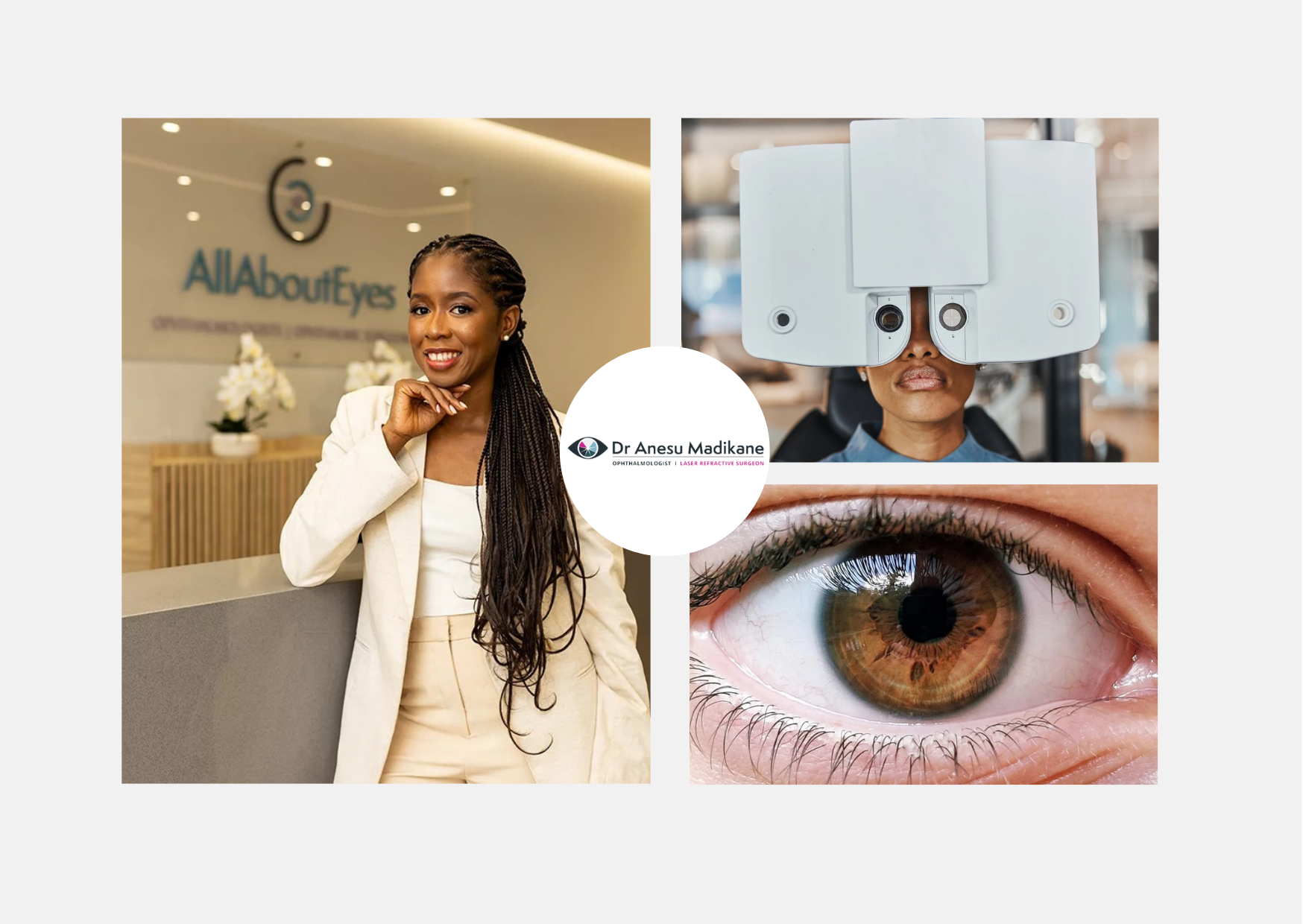
If you are exploring options for laser vision correction, consider speaking with Dr Anesu Madikane for professional ophthalmology guidance and a structured consultation process. You can review your goals, understand the trade-offs, and learn what follow-up care looks like so there are no surprises. A clinic that explains the “why” behind each recommendation helps you make an informed choice about your vision correction journey.
