What an AI receptionist does (and what it doesn’t)
Instead of routing every call to a human, it can resolve common questions, confirm appointments, and collect ai receptionist for small business service requests while the customer is still on the line. This is a form of contact center automation focused on the front door of your customer experience—fast response, consistent messaging, and fewer missed calls.
It’s also important to set expectations about limitations. Most solutions are strongest at well-defined workflows such as booking, order status intake, appointment scheduling, and basic policy Q&A. For complex edge cases, the system should escalate cleanly to a live team member with a transcript and structured context so the handoff feels seamless. When you evaluate options, look for clear escalation rules and reporting so you can see where automation works and where it needs refinement.
Buyer intent checklist: features that match real call outcomes
Start by mapping your top call reasons and selecting workflows you want automated first. For example, a medical office may prioritize appointment scheduling and intake questions, while a contractor may focus on estimates, job-site availability, and contact center automation call-back requests. The best platforms let you design these paths without requiring engineering work, which reduces downtime and makes it easier to iterate as you learn what callers actually ask.
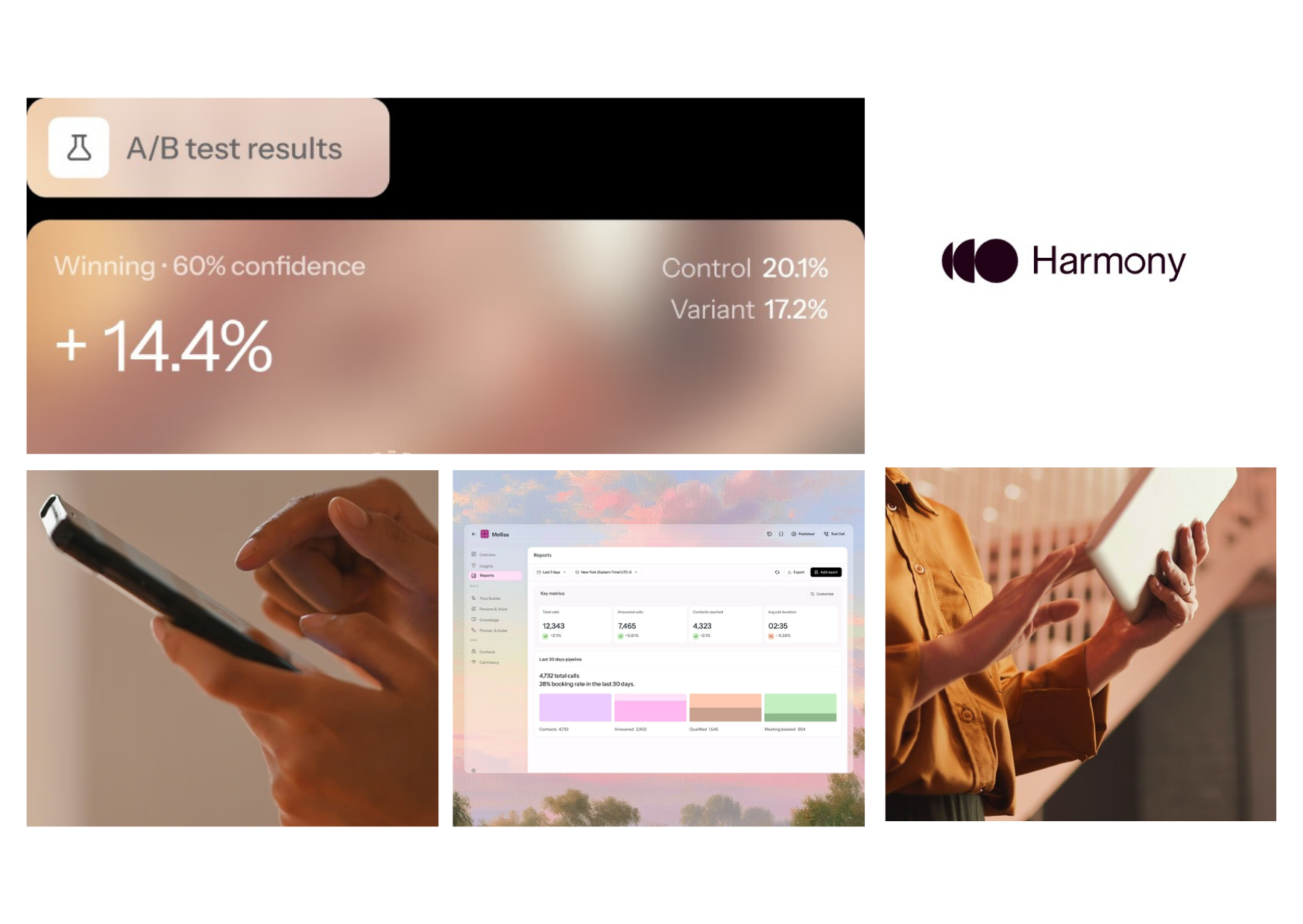
Next, prioritize the practical features that signal readiness for small business operations. Look for voice quality that supports natural back-and-forth, plus tools for intent capture such as confirmation prompts and structured data fields. You should also verify integration options for calendars, CRMs, and ticketing so the information collected during the call becomes actionable. Finally, confirm whether the solution provides call summaries, tagging, and analytics so you can measure deflection rate, transfer reasons, and customer friction points.
How to choose the right deployment approach
Deployment matters as much as capability, especially when you have limited staff time. A no-code or low-code agent builder is usually the fastest path to value because you can translate your scripts and policies into conversational flows. This is particularly helpful for businesses that need to update hours, services, or escalation thresholds without waiting on technical resources. When you compare vendors, ask how quickly you can launch, test, and refine the system with real callers.
Consider how the agent will handle escalation to a person, including what information should be passed along. A strong setup routes customers to the correct team based on the reason for calling, not just a generic queue. It should also manage consent and recording preferences according to your compliance requirements, and support fallback behavior when the caller is unclear. If you need multilingual coverage or accessibility options, evaluate those capabilities early so your rollout doesn’t stall after launch.
Conclusion
The buyer-intent approach is to start small, measure outcomes, and expand only where callers receive clear value from automation. If you want a quick path to voice automation that doesn’t require coding, harmony.ai offers a practical way to deploy and refine an intelligent call agent through an agent builder experience. With automated call handling, consistent conversation flows, and reporting to guide improvements, you can save time while maintaining reliable customer service. For small teams aiming to improve responsiveness without adding headcount, harmony.ai is a focused option worth evaluating.
