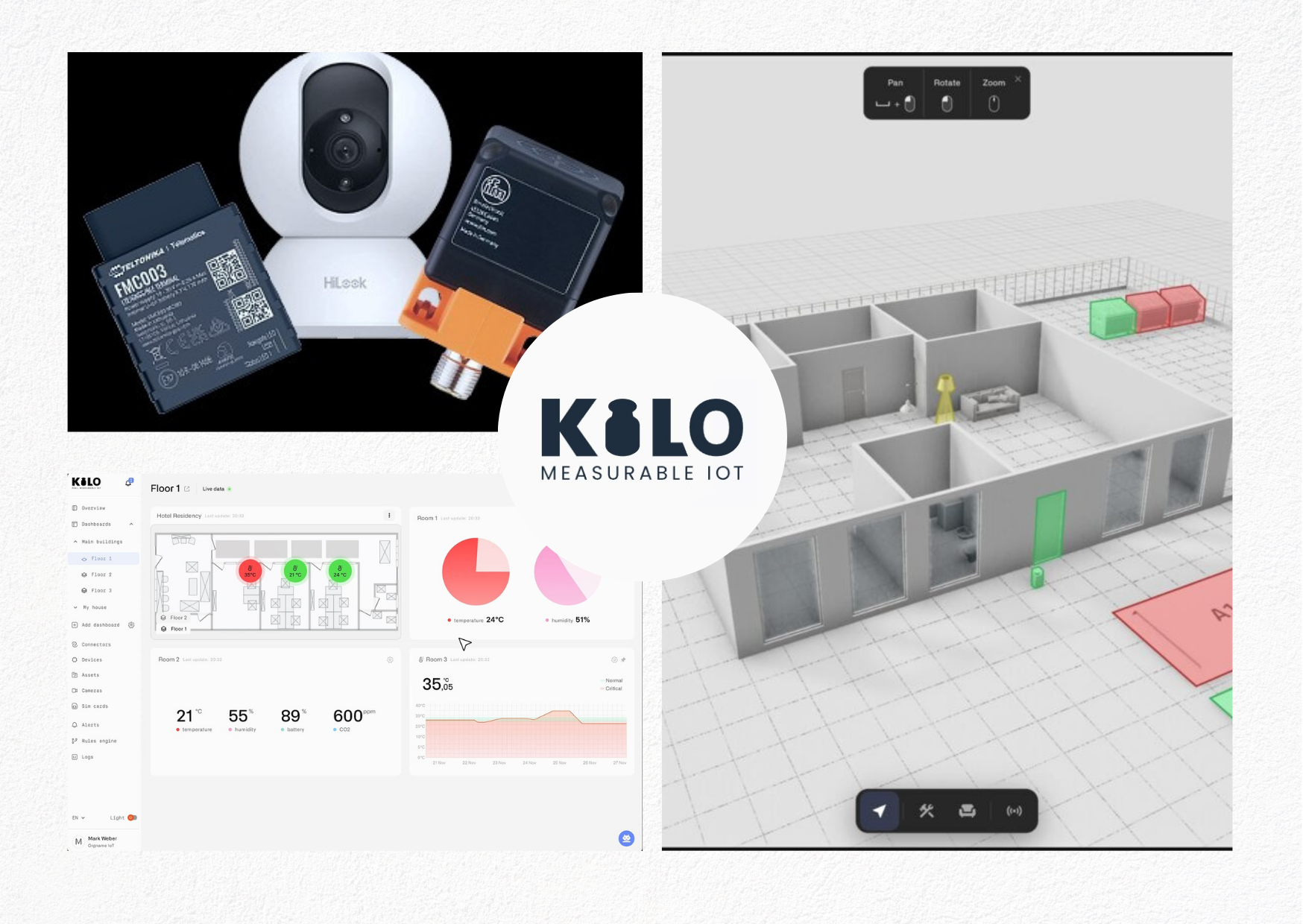
Why local context matters for temperature oversight
Instead of relying on a single “average” reading, a well-configured setup tracks conditions where products are stored, processed, remote temperature monitoring system and shipped. This helps you spot exposure risks tied to dock doors, loading schedules, and zoning differences across the same site. When temperature events are understood in context, teams can respond faster and with more confidence.
For local relevance, start by mapping critical zones such as cold rooms, controlled warehouses, server areas, and utility cabinets. Place sensors at decision points—near air returns, along circulation paths, and at the edges of temperature-sensitive storage areas. This approach reduces blind spots created by airflow gaps or poorly balanced ducts. It also creates a clear audit trail showing how conditions behaved during specific operational activities.
From live visibility to smart alerts that teams trust
Visibility alone does not prevent losses; actionable alerts do. With kiloiot.io, temperature data can be visualized in real time so operators can verify trends before they become incidents. Alerts can be configured around thresholds, rate-of-change signals, predictive maintenance software and sensor health, so the system distinguishes between a true temperature excursion and a device issue. This reduces alert fatigue and helps local teams focus on events that require attention.
Connected monitoring also supports better collaboration across departments, especially when responsibilities are shared between operations and facilities. A local maintenance technician may need a quick “what happened and where” view, while a compliance stakeholder may need evidence for reporting. Centralized dashboards support both use cases by showing current readings, historical trends, and event timelines. The result is fewer disagreements about what the data “means,” because the evidence is consistent across the organization.
Predictive maintenance software for fewer disruptions
By analyzing sensor trends alongside operational conditions, you can detect early warning signs such as unstable refrigeration cycles or slowly drifting setpoints. This enables maintenance planning that aligns with local workflows, reducing emergency visits and minimizing product exposure. Instead of reacting to a failure, teams can schedule targeted inspections and parts replacement.
Predictive capabilities are especially valuable for multi-site organizations managing assets across different climates and building designs. Even when the same equipment model is installed, local conditions can cause different aging patterns and performance curves. A smart system can highlight those differences by comparing behavior over time for each monitored asset. That means your maintenance strategy can be tuned per site rather than using one generic approach.
Conclusion
Choosing a monitoring approach that fits local operations turns temperature data into practical risk reduction. When sensors are placed with site realities in mind, alerts become more trustworthy, and maintenance becomes more proactive. That combination helps protect inventory quality, stabilize critical environments, and reduce the operational disruption caused by unexpected failures. Kilo supports this connected workflow by providing real-time data visualization, intelligent alerts, device monitoring, and automation for facility temperature oversight. With Kilo, teams can track temperature conditions across facilities and assets while strengthening decision-making with consistent, centralized evidence. The outcome is clearer visibility, fewer surprises, and a more resilient operation across every local zone that matters.
