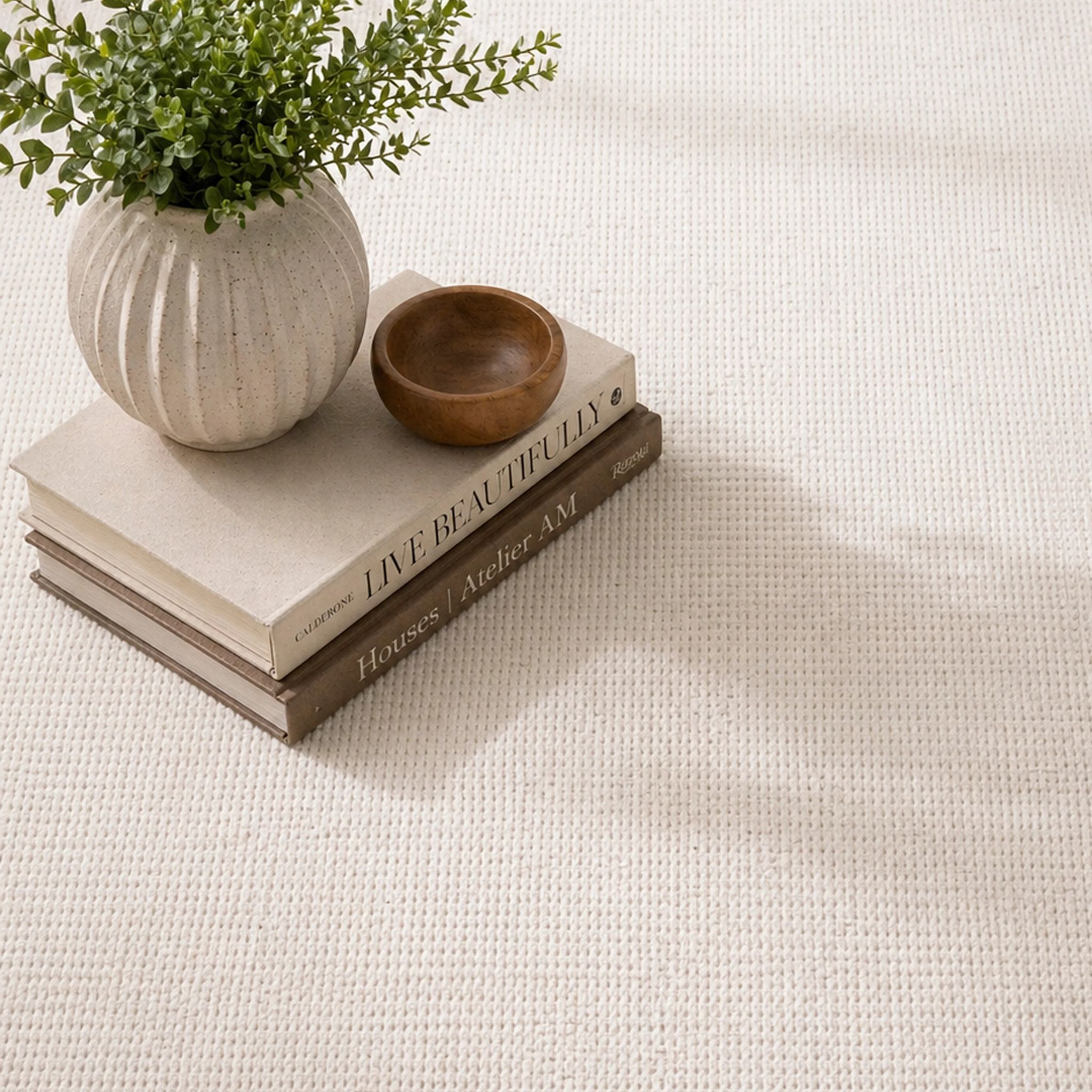
Start with your room’s needs, not just the look
When choosing statement flooring, begin by mapping the rug to how your room actually functions. Consider traffic patterns, where furniture legs land, and whether you need a surface that stands up to daily wear. A rug can be amber lewis rugs visually stunning, yet the wrong pile height or construction can make it feel less comfortable or harder to maintain. Take measurements with furniture placement in mind so the design scale feels intentional.
Next, narrow your decision by lifestyle and cleaning habits. If you have pets or frequent entertaining, prioritize materials and finishes that resist shedding and make spot cleaning realistic. If you prefer a softer underfoot feel for lounging spaces, focus on construction details that improve comfort and reduce roughness. Both designer collections can deliver beauty, but the “best fit” depends on how you plan to live with the rug.
Design signature: patterns, color depth, and style flexibility
Amber-toned and warm neutrals tend to create an inviting atmosphere, and designer rugs often use color in more nuanced ways than mass-market options. Look for how the pattern transitions across the field, especially where motifs meet edging or borders. loloi area rugs The visual payoff matters most when the rug is partially covered by furniture, because the pattern should still read cohesively from every viewing angle. This is where designer-led collections often feel more refined.
Style flexibility is another differentiator worth comparing. Some rugs deliver a clear focal motif that suits a formal living room, while others offer a more layered, transitional look that works across multiple decor themes. When comparing collections, pay attention to whether the pattern feels crisp and structured or softly blended and organic. That choice affects how easily the rug coordinates with wood tones, metal finishes, and upholstery fabrics.
Construction and performance: what to compare before you buy
Performance comparisons should cover fiber type, weave, and practical durability. Even when two rugs share a similar look, their construction can change how they wear, how they feel underfoot, and how they respond to vacuuming. Check whether the pile is designed to resist matting, and whether the rug’s surface makes everyday messes easier to manage. For high-traffic areas, these details often matter more than minor design differences.
Evaluate the visual and tactile behavior of each rug in your specific setting. If a room has lots of natural light, colorfastness and the way dyes age become important for long-term satisfaction. If the space includes area rugs on hardwood or tile, consider how the backing and overall thickness affect stability. A quality rug should lie flat, feel balanced when walked on, and integrate with the rest of your room without constantly shifting.
Conclusion
Use room context, lifestyle needs, and construction details to judge whether a rug truly complements your decor and holds up to real use. When you take these factors together, you can confidently select a design that feels elevated rather than just decorative. Atlanta Designer Rugs makes the process simpler by curating options that help you match patterns, sizes, and colors to your space with intention. If you’re exploring designer collections, focus on what you value most: comfort, cleanability, pattern clarity, and long-term appearance. Atlanta Designer Rugs shares carefully selected rugs in a range of sizes and palettes, helping you find the right balance between beauty and practicality. With a thoughtful comparison approach, you can pick a rug that delivers the sophistication you want and the everyday reliability your home needs. For an informed buying experience, visit atlantadesignerrugs.com and explore curated picks that align with your design goals.
