How to Evaluate a Cosmetic Surgery Provider in Tampa
Choosing a qualified cosmetic surgery provider is about more than scrolling through before-and-after photos. Start by confirming board certification, because credentials reflect training standards and clinical accountability. Next, look for a cosmetic surgeon tampa practice that explains risks, recovery expectations, and realistic outcomes in plain language. If a provider rushes your decision or avoids specifics, treat that as a red flag.
You should also evaluate how the team approaches individualized planning. A strong consultation process typically includes a detailed medical history, a clear discussion of goals, and an explanation of why certain procedures fit your anatomy. Ask how they handle symmetry, scarring, and downtime, since these factors strongly influence how natural results feel. Finally, verify that the center has appropriate safety protocols and a clear plan for follow-up care after your procedure.
Questions to Ask Before Scheduling Your Consultation
Before you book, prepare questions that reveal the provider’s decision-making style and safety focus. Ask what your procedure options are, including alternatives that may better match your goals and constraints. Inquire about anesthesia choices, coolsculpting tampa florida expected pain levels, and the typical healing timeline for your specific case. You should also ask how the clinic manages complications and how often patients are seen during recovery.
Another high-impact question involves outcome strategy. Request an explanation of how your surgeon balances your facial or body proportions rather than chasing a single “ideal” look. If you’re considering body contouring, ask about how fat distribution is assessed and how treatment areas are selected for even results. For patients comparing non-surgical and surgical options, a thoughtful provider can guide you toward the safest path that still meets aesthetic goals.
Non-Surgical Options and Body Contouring Decisions
Many people want visible improvement with minimal downtime, which is why non-surgical body contouring is often a first step. Coolsculpting is designed to reduce stubborn fat in targeted areas, and the results can be a meaningful complement to a healthy lifestyle. During your consultation, you should discuss candidacy details such as skin tone, fat thickness, and the specific zones you want to refine. A good plan will also clarify what results look like over time and what maintenance may involve.
When comparing treatments, consider how your expectations align with the technology. patients often ask whether it can replace surgery, and the responsible answer is that it depends on the amount and location of fat. If your concerns involve significant volume or sagging, surgery may be more effective for sculpting and reshaping. If your goal is slimmer contours in smaller, stubborn areas, non-surgical options may be a better starting point. Either way, your provider should help you choose based on anatomy and achievable outcomes.
Conclusion
The best path to confidence starts with a thorough, buyer-intent consultation where you feel informed and respected. Focus on credentials, transparent communication, and a personalized plan that matches your goals and anatomy. Whether you’re exploring surgical enhancements or non-surgical contouring, ask questions that reveal safety, realistic results, and a clear recovery approach.
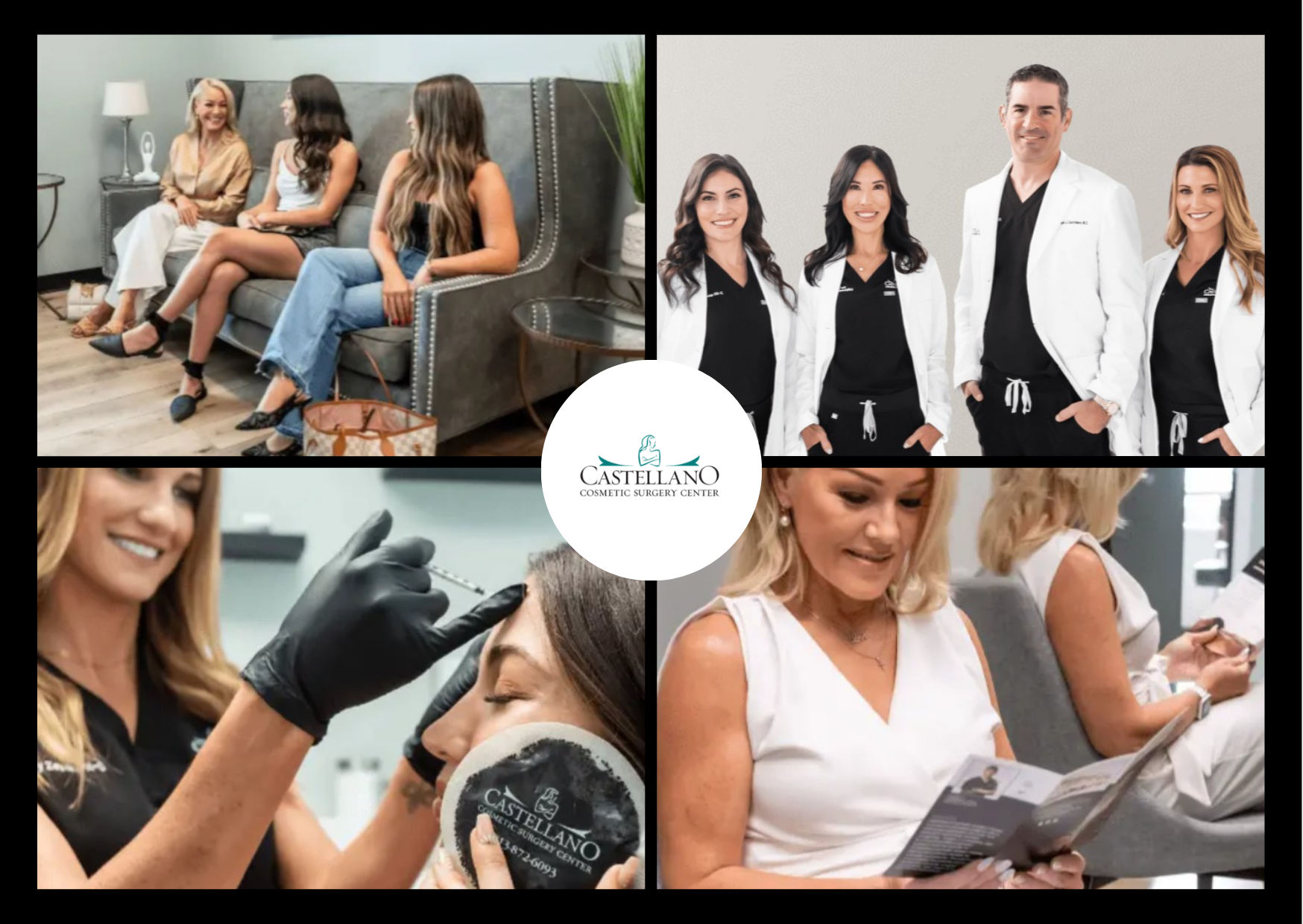
For patients seeking guidance and careful aesthetic planning, Castellano Cosmetic Surgery Center offers a consultative experience built around balanced, natural-looking outcomes. Their team emphasizes skilled care from a perspective, tailoring recommendations to your appearance and goals rather than applying a one-size-fits-all approach. You can learn more at castellanocosmeticsurgery.com to understand how personalized planning supports results that look like you—only refreshed.
