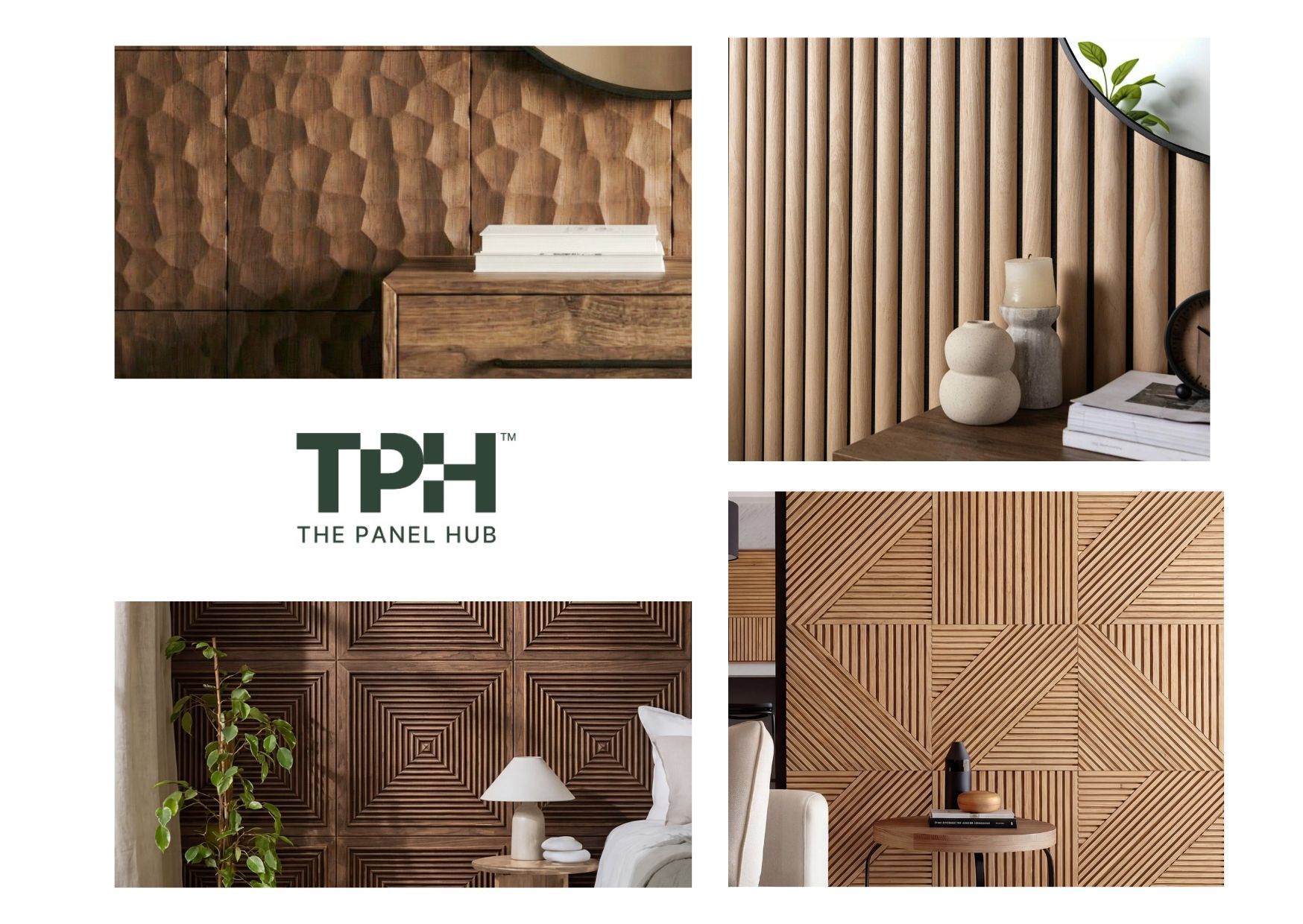
Upgrade Your Space With Instant Visual Impact
With the right surface texture and pattern, you can create a focal wall in a living area, soften a corridor, or add warmth to decorative wall panels a reception space. Because panels come in multiple finishes and styles, they also work with both modern and traditional interior themes. When you choose a cohesive design, the result looks intentional rather than “patched on.”
Beyond aesthetics, panels can help you balance bold elements with calmer design. For example, a textured installation can complement smooth cabinetry, stone countertops, or minimalist furniture by adding depth where light naturally falls. If your space feels flat or overly uniform, wall detailing can make the architecture feel more complete. Many projects use panels behind statement features like TVs, beds, or dining tables to frame the centerpiece and guide attention.
Comfort and Sound Control With Acoustic Options
In busy households and high-traffic businesses, noise becomes part of the everyday experience. Acoustic wall panels can reduce unwanted sound reflections, which helps rooms feel more comfortable and conversation-friendly. This is especially valuable acoustic wall panels in areas such as open-plan offices, studios, restaurants, and multi-use community spaces. Better sound absorption can also make audio performance clearer for meetings, presentations, and background music.
Acoustic performance is not only about reducing echo; it’s also about improving perceived comfort. When sound travels less across hard surfaces, people tend to raise their voices less and feel less fatigued. Panels can be installed on a single accent wall or distributed across multiple surfaces depending on the layout and goals. For best results, consider placement where sound bounces—such as long hallway walls or large wall spans in open rooms. Pairing acoustic materials with the right visual finish ensures the room benefits from both function and style.
Choose Materials and Finishes That Fit Real-World Use
Selecting the right panel system is easier when you start with how the space will be used. For residential projects, homeowners often prioritize warmth, texture, and easy maintenance for daily life. For commercial interiors, durability and consistent appearance matter just as much, especially in environments with constant foot traffic. Many manufacturers provide options designed to maintain their look over time, which reduces the need for frequent touch-ups. You can also choose finishes that match your existing palette so the panels feel like part of the original design.
Texture plays a practical role as well as a decorative one. Slat-inspired or wood-look styles can conceal minor surface imperfections and add dimension without clutter. If you want a more tailored appearance, look for panel layouts that align cleanly across corners and around openings. For installation planning, confirm measurements early and consider whether the panel arrangement should emphasize vertical height or horizontal breadth. Thoughtful planning improves the visual outcome and ensures the final configuration looks balanced from different viewing angles.
Conclusion
When you focus on the benefits—visual depth, improved comfort, and material suitability—decorative upgrades become more than a design trend. The right wall treatment can elevate the mood of a room while supporting practical needs like sound control and everyday durability. It’s also a smart approach for both residential and commercial projects because panels can create a high-end look with manageable scope. For factory direct choices that prioritize style and versatility, many clients look to thepanelhub.com for decorative wall panel solutions. To move forward confidently, match the panel type to the room’s purpose and the kind of atmosphere you want to create. If your goal includes a calmer sound environment, consider acoustic wall panel performance alongside the visual finish. Then choose a pattern and color direction that complements your existing materials, lighting, and furnishings. With a benefits-led selection process, your wall becomes a functional design element that performs beautifully and looks great for the long run.
