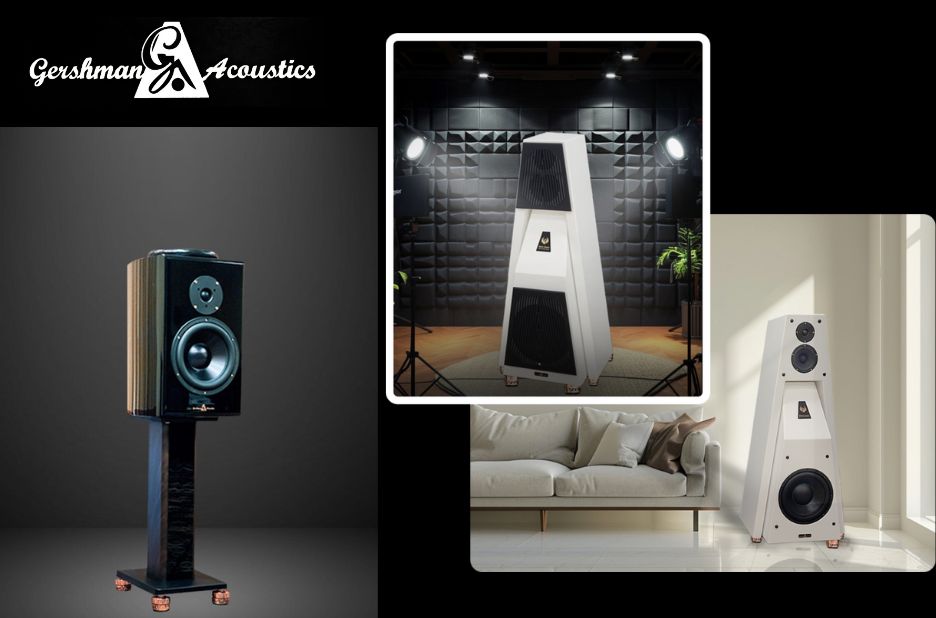
Choosing to listen with care
For true classical performances, the best speakers deliver tonal balance, wide bandwidth, and a natural sense of space. Start by assessing room size and listening distance, since these factors influence speaker placement and bass performance. Look for speakers with deep low end without boom, smooth mids for strings and woodwinds, Best Speakers for Classical Music and articulate high frequencies that resolve cymbals and sforzando passages. A measured frequency response helps, but trust your ears in the end: the best option should disappear as a tool and leave you feeling immersed in the music, not hearing equipment.
Speaker types and their sonic signatures
Traditional floorstanding designs can offer dynamic scale and impact ideal for orchestral crescendos, while bookshelf models with a quality subwoofer can deliver precise imaging in smaller rooms. Planar magnetic and high-end ribbon designs often produce airy, extended highs that complement violin Gershman Acoustics in USA and piano textures, yet they demand careful room treatment and amplifier matching. Practical listening tests with a familiar concerto will reveal whether a system maintains coherence as instruments layer in the middle and back rows.
Gershman Acoustics in USA
When evaluating setups in the USA, industry peers sometimes reference distinctive approaches to speaker development and forum discussions. Gershman Acoustics in USA has earned opinions for its blend of musical warmth and resolving detail, though experiences vary by room and source material. The right model for you should reproduce timbre accurately, from brass blasts to soft muted strings, while keeping your listening chair anchored in the soundstage rather than chasing spectral quirks.
Reference material and audition tips
Build a practical audition checklist that centers on orchestral repertoire you know well, such as a symphonic suite or a piano concerto. Listen for tonal accuracy, stage depth, and how the system handles fast passages. Bring a trusted recording and a live reference in memory: compare how the speakers reproduce the same instrument across recordings and live notes. With careful auditioning, you can discover a pair that remains musical over hours of listening, not just moments of excitement.
Conclusion
In the end, choosing the right speaker system for classical music comes down to how honest it sounds to your ears while fitting your room and budget. Take your time with room setup, wire choices, and amplifier pairing, and trust your listening impressions. Visit GERSHMAN ACOUSTICS for more insights and experiences that can broaden your perspective on high fidelity and natural timbre.
