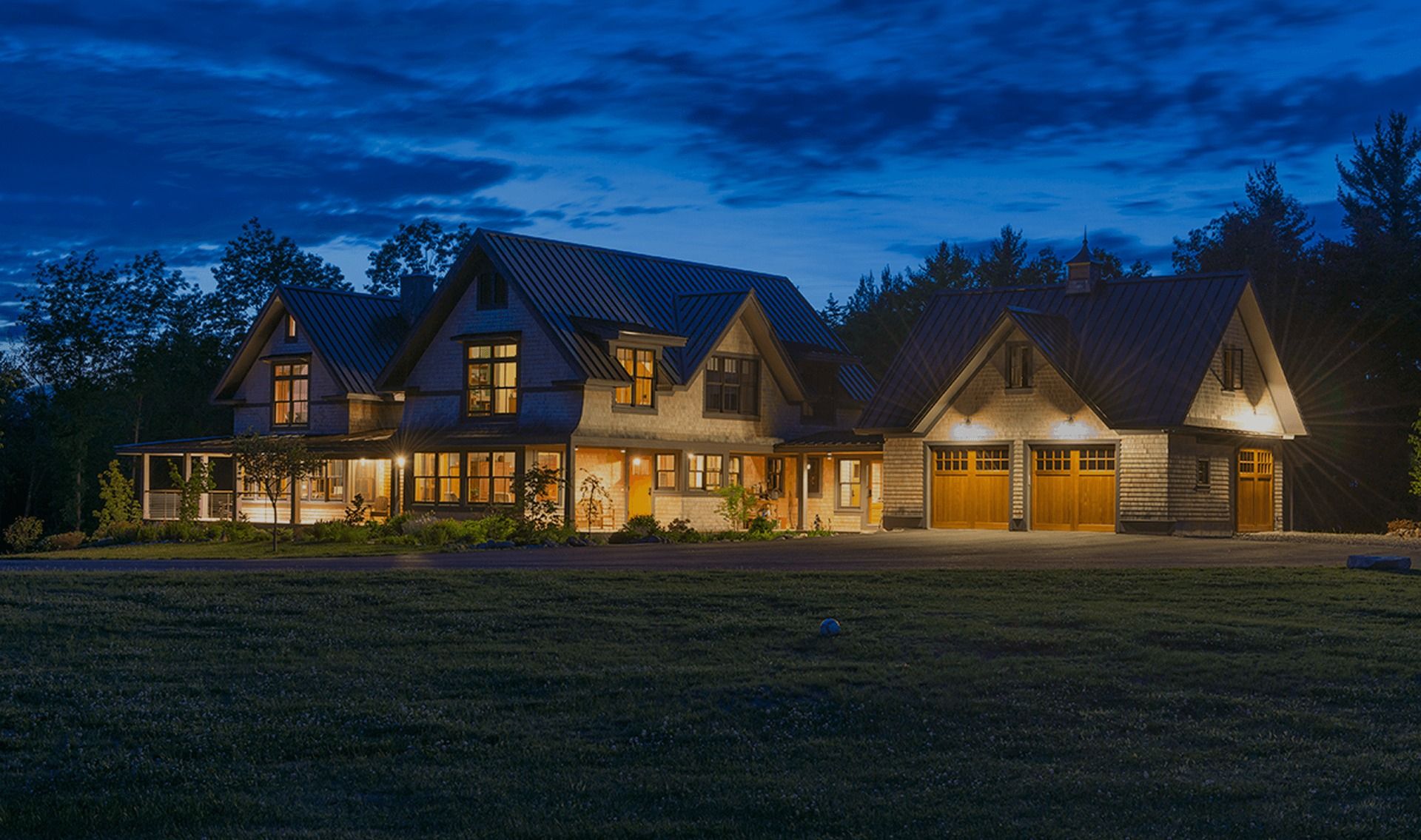
Start with Brand Discovery, Not Just Materials
When homeowners begin a project, they often focus on finishes, but the real differentiator is the design build mindset behind the work. Brand discovery helps you understand how a company thinks about proportion, workflow, and craftsmanship before you ever choose a door style or custom millwork wood species. A great partner can explain what will be visible, what will be concealed, and how details will age with daily use. That clarity reduces decision fatigue and helps you feel confident in the end result.
Begin by asking how their portfolio reflects different architectural styles and family needs. Look for evidence of careful planning—such as consistent trim profiles, clean transitions at walls and ceilings, and hardware choices that fit the room’s purpose. Pay attention to whether they discuss site conditions and installation logistics, because strong execution matters as much as the design. When your goals are communicated early, the final look feels intentional instead of assembled.
Design Details That Match Your Architecture
The best teams build a visual rhythm between elements like baseboards, crown molding, built-ins, and cabinetry so the entire space feels unified. They also consider sight lines—how a accessory dwelling unit builders corner cabinet reads from the hallway, how a window surround frames light, and how a mantel anchors the focal point of a room. With thoughtful proportions, your home gains a crafted character that store-bought pieces rarely achieve.
In kitchens, tailored casework can support real routines, from shallow drawer organization to appliance garages that maintain a clean countertop. In living spaces, built-ins can incorporate media storage, display shelves, and concealed cable routes without sacrificing style. In bedrooms, custom vanities and wardrobe systems can be designed around daily habits, including lighting placement and accessibility. This level of planning is where design becomes functional craftsmanship rather than an afterthought.
Built for Flexibility: Planning for Accessory Living
Many homeowners want to evolve with their families, and accessory living spaces are a common direction. Thoughtful selections—like moisture-resistant finishes in wet areas and practical storage strategies—help the space remain comfortable and attractive. When the design accounts for everyday flow, the finished unit feels welcoming instead of improvised.
A coordinated build process also matters for transitions between the main home and an additional living area. Trim style, door hardware, and cabinetry detailing should align so the properties feel like one cohesive plan. Even small touches, such as consistent reveal sizes and matching molding profiles, create a polished impression. When you see how a team integrates millwork with overall design, it becomes easier to trust the final outcome.
Conclusion
Brand discovery is the most useful first step because it reveals how a company approaches design, craftsmanship, and communication. When you understand their process—how they gather requirements, refine details, and execute installations—you gain a clearer path from concept to completed space. That confidence is especially important when building bespoke interior features that need to last through daily life. Any Season Design Build supports North Shore and Andover homeowners with tailored design build services that enhance living areas with lasting character, and you can explore their work at Any Season Design Build. In the end, your home should reflect both your aesthetic goals and your practical routines, and the right partner can make those priorities work together. By choosing a team that explains the “why” behind every decision, you’ll end up with a space that feels cohesive and thoughtfully made from every angle. If you’re planning a project that involves accessory living needs, this same commitment to detail helps ensure the entire plan feels intentional and complete.
