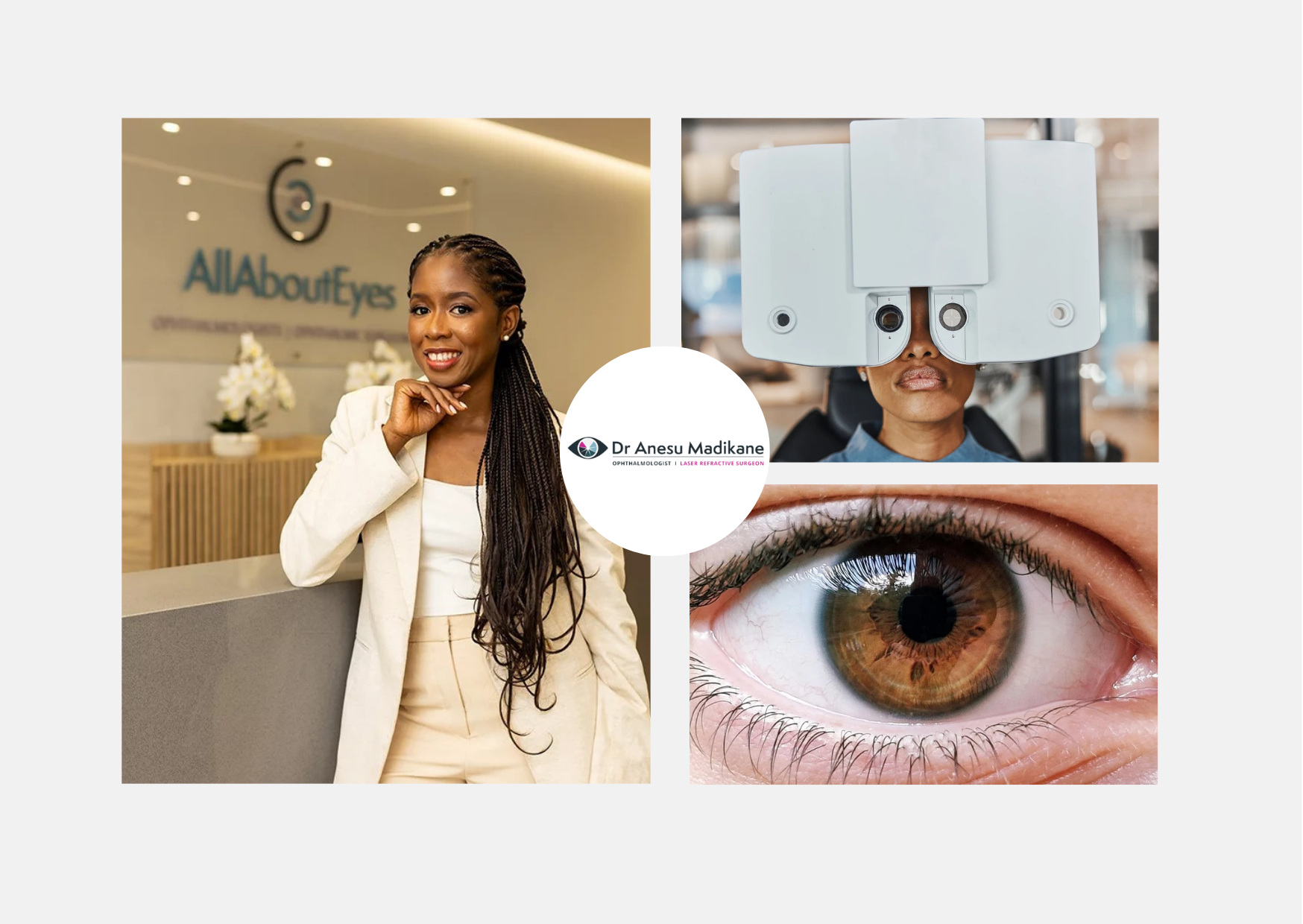
Understanding astigmatism and how laser correction helps
Astigmatism happens when the eye’s front surface is not perfectly curved, causing light to focus unevenly on the retina. This can lead to blurred or distorted vision at both near and far distances, laser eye surgery astigmatism along with glare or difficulty with night driving. Many people notice symptoms such as eye strain after reading or screen work, especially when lighting conditions are challenging.
Procedures like LASIK and related techniques use precise mapping to reduce irregular curvature, which can improve clarity and contrast. Your suitability depends on factors such as corneal thickness, the stability of your prescription, and the health of your eyes.
What to expect during an assessment in Pretoria East
A high-quality evaluation is the foundation of safe outcomes, particularly for patients with irregular astigmatism or higher prescriptions. In a comprehensive consult, an ophthalmologist will assess vision quality, measure refractive ophthalmologist pretoria east error, and examine the cornea and overall eye health. Advanced testing may include corneal topography or tomography to understand the shape of the cornea in detail.
Because local needs differ, a Pretoria East clinic visit should also focus on your lifestyle and visual demands. For example, if you drive long distances, work under bright office lighting, or spend extended hours on a computer, you may need guidance on what visual goals are realistic. The team should explain potential side effects such as dry eyes or temporary visual fluctuations and recommend steps to manage them before and after surgery.
Choosing the right procedure with a personalised treatment plan
Not every type of astigmatism is treated the same way, and the “best” procedure can vary from person to person. Some patients benefit from laser techniques that directly address corneal shape, while others may require a different approach depending on corneal characteristics. Your surgeon may discuss whether your astigmatism is regular or irregular and how that influences the planned treatment.
Personalisation also includes considering your prescription range and how stable it has been over time. If you wear contact lenses, you may be asked to stop them briefly before measurements are taken so the cornea returns to its natural shape for accurate mapping. The plan may also include strategies to protect the ocular surface, since dryness can affect comfort and visual performance after surgery.
Conclusion
If you are exploring laser vision correction for astigmatism, start with a careful assessment that matches your eye measurements and daily needs. A structured consult helps you understand your options, the likely benefits, and the practical considerations for recovery and long-term comfort. When you choose an experienced provider in the area, you can move forward with confidence and clear expectations for visual outcomes. For expert guidance and personalised care, consider Dr Anesu Madikane. With the right plan and attention to eye health, many patients find meaningful improvements in visual clarity and everyday confidence through laser-based correction.
