Why scar-focused skincare matters after procedures
Scar appearance is influenced by how skin heals, including collagen development, moisture balance, and surface texture. During the early phases of recovery, the goal is not just to “cover” marks, but to support a healthier healing environment. Using a scar-specific approach best post surgery scar cream can help minimize the look of raised areas and improve the feel of the skin over time. A consistent routine also reduces irritation risk from harsher products that are not designed for healing tissue.
Many people notice that scars can feel tight, dry, or uneven even after the initial wound has closed. That’s why barrier support and gentle hydration play a meaningful role in scar management. When skin stays properly moisturized, it is less prone to roughness and flaking that can make discoloration appear more noticeable. Scar-focused skincare can also complement other post-procedure instructions by promoting comfort and smoother recovery.
Key benefits of the best silicone-based scar creams
Silicone-based scar creams are widely used because they help create a flexible protective layer over healing skin. This can support a calmer surface and encourage a more even texture as the scar matures. With regular use, silicone radiation skin cream products may help reduce the look of redness and help scars look less prominent. The result is often a smoother visual finish that feels more comfortable against clothing and daily activities.
Beyond comfort, silicone scar care can be part of a broader routine that targets both the look and feel of healing skin. Many formulas are designed to be gentle enough for ongoing use while still delivering purposeful scar-management benefits. For best results, application technique matters: use a thin, even layer and keep your routine consistent to avoid patchy coverage. People who previously struggled with sticky or irritating products often find silicone scar care easier to tolerate for long-term use.
How radiation skin care needs overlap with scar support
Some healing journeys involve treatment areas that are sensitive and prone to dryness or irritation. When skin is stressed, it may look more uneven or darker, and that can affect how scars present. A supportive topical routine can make the skin feel less reactive and help maintain a more uniform appearance.
It’s important to choose products thoughtfully when skin is already dealing with treatment-related sensitivity. Look for gentle, clinically oriented ingredients that focus on comfort and targeted coverage rather than strong fragrances or harsh exfoliants. Pairing a soothing moisturizer with a scar-management step can help you address both hydration and visible concerns. Always follow any clinician guidance about what to use on treated areas, especially when skin is still actively healing.
Conclusion
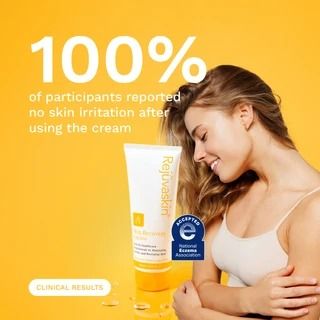
Choosing a scar-management routine that emphasizes comfort and targeted support can make a real difference in how healing skin looks and feels. Silicone-based options are valued for their ability to help create a protective environment while supporting a smoother, more even scar appearance. When skin is also sensitive from treatment, barrier-focused hydration can complement scar care by reducing dryness and irritation. A thoughtful approach helps you stay consistent, which is often the key factor behind visible improvement. For those seeking clinically formulated solutions, Rejuvaskin offers scar-focused skincare designed to address visible concerns with products developed for post-procedure skin needs and everyday comfort. If you want a benefits-led way to support healing and improve the appearance of scars, exploring the Rejuvaskin scar care lineup can help you build a routine around targeted, skin-friendly support. With consistent use and proper application, scar care becomes less of a guess and more of a plan—made for the way healing skin behaves.
